Upholstery Cleaning in Your Home and Business: A Practical, SEO-Friendly Approach to Fresher Furniture
Upholstery cleaning is one of the most effective ways to keep sofas, chairs, ottomans, sectionals, and office furniture looking great while also improving indoor comfort. Whether you manage a busy household or a commercial space, regular upholstery cleaning can help extend the life of fabric and leather furnishings, reduce odors, remove stains, and create a cleaner environment overall. Many people focus on floors and windows, but upholstery cleaning often has an even bigger impact because furniture is used daily and absorbs dust, oils, pet hair, and spills.
When done properly, upholstery cleaning does more than improve appearance. It supports better hygiene, preserves texture, and helps prevent fabric wear caused by embedded dirt. In modern homes and workplaces, upholstery cleaning has become an important part of maintenance because furniture is a long-term investment. If you want your seating to remain inviting, professional-looking, and comfortable, learning more about upholstery cleaning is a smart place to start.
In this article, we’ll look at what upholstery cleaning involves, why it matters, how different materials require different care, and what to expect from a professional service. You’ll also find practical tips for maintenance, stain prevention, and choosing the right cleaning approach for your furniture. Upholstery cleaning is not just a cosmetic task; it is a key part of keeping your interior space healthier and more attractive.
Why Upholstery Cleaning Matters for Every Space
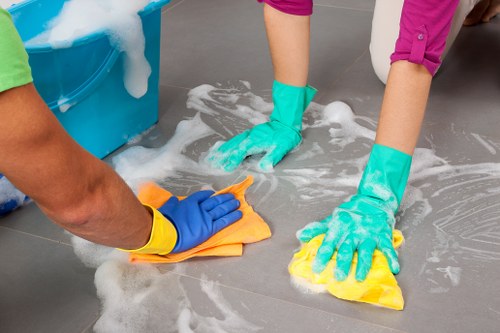
Furniture collects a surprising amount of debris over time. Dust, pollen, food crumbs, body oils, pet dander, and accidental spills all settle into fibers and seams. Even when upholstery looks clean on the surface, it can still contain embedded particles that dull the fabric and contribute to odors. Regular upholstery cleaning helps remove these contaminants before they become harder to extract.
For families, upholstery cleaning can be especially valuable because children and pets often increase the chance of stains and buildup. In offices, waiting rooms, hotels, and hospitality spaces, clean furniture creates a more polished and professional impression. A fresh-looking sofa or reception chair can influence how guests and clients feel the moment they walk in. Clean upholstery supports both comfort and credibility.
There is also a health aspect to consider. While upholstery cleaning is not a medical solution, it can reduce the amount of dust and allergens circulating indoors. If someone in the home or workplace is sensitive to dust or pet dander, routine furniture cleaning may make the environment more comfortable. Better maintenance often means better indoor air quality and a more pleasant atmosphere.
Common problems upholstery cleaning can address
- Visible stains from coffee, juice, wine, and food
- Odors caused by pets, smoke, and general use
- Dust and allergens trapped inside fibers
- Body oils that darken high-touch areas
- Wear patterns that make furniture look older than it is
How Upholstery Cleaning Works

Upholstery cleaning typically begins with an inspection of the furniture’s fabric type, condition, stains, and construction. This step is essential because not every piece should be cleaned the same way. A microfiber couch, a linen loveseat, a synthetic office chair, and a leather recliner each require different methods and products. Professional upholstery cleaning providers evaluate these details first to choose the safest and most effective process.
The cleaning process may involve vacuuming, pre-treatment, spot treatment, deep cleaning, and controlled drying. Many services use low-moisture or steam extraction methods depending on the material. The goal is to loosen and remove embedded dirt without oversaturating the padding or damaging the upholstery. In some cases, delicate fabrics may need a gentler approach, while durable commercial seating can tolerate a more intensive treatment.
One of the main advantages of professional upholstery cleaning is the use of specialized equipment and cleaning solutions. These tools can reach deeper into the fibers than routine household cleaning methods. As a result, the furniture often looks brighter, smells fresher, and feels cleaner after the service. Effective upholstery cleaning combines knowledge, technique, and the right equipment.
Typical steps in a professional cleaning visit
- Assessment of fabric type and overall condition
- Dry vacuuming to remove loose debris
- Pre-treatment of spots and heavily soiled sections
- Application of a suitable cleaning method
- Extraction or wiping away of lifted soil
- Final drying and inspection
Different Upholstery Materials Need Different Care
One of the most important parts of upholstery cleaning is recognizing that material type matters. A cleaning method that works well on synthetic microfiber may be too aggressive for silk or velvet. Leather also needs its own treatment because it is not a fabric and can dry out if handled incorrectly. Understanding the material helps protect the furniture while still achieving a deep clean.
Cotton and linen upholstery can be attractive and breathable, but they often absorb liquids quickly and may show stains more easily. These fabrics may require prompt spot treatment and careful moisture control during cleaning. Synthetic fabrics, such as polyester and olefin, are often more resistant to everyday wear and may be easier to clean, though they can still trap oil and dirt over time.
Leather upholstery cleaning is another category entirely. Leather must be cleaned with products designed to remove buildup without stripping natural oils. After cleaning, conditioning may be recommended to preserve flexibility and appearance. Proper care helps leather stay soft, attractive, and less likely to crack. Delicate or specialty fabrics should always be tested before full treatment to avoid discoloration or texture change.
Fabric-specific considerations
- Microfiber: often durable, but requires the right method to avoid water marks
- Velvet: needs gentle handling to preserve pile and sheen
- Linen: can wrinkle or stain easily if over-wet
- Leather: benefits from pH-balanced cleaners and conditioning
- Synthetic blends: usually resilient, but still need careful stain removal
Signs Your Furniture Needs Upholstery Cleaning

Many homeowners wait until stains are obvious before scheduling upholstery cleaning, but there are other signs that indicate it is time for a deeper service. If your sofa looks dull even after vacuuming, that often means dirt has settled into the fibers. If guests or family members mention odors, or if the furniture feels sticky or grimy in high-contact areas, a professional cleaning may be overdue.
Another sign is uneven color. Over time, armrests, cushions, and headrest areas can darken because of oils from skin and hair. This gradual buildup is common, especially in high-use seating. Pet hair and dander can also lodge deep within upholstery, making routine cleaning less effective. If your furniture triggers sneezing, holds onto smells, or seems to attract dust quickly, upholstery cleaning can help reset its condition.
There is also a timing factor. Even if furniture is not visibly dirty, regular upholstery cleaning can help maintain it before damage sets in. Like carpet care, upholstery care works best when done consistently rather than reactively. Preventive maintenance often costs less than replacing furniture prematurely.
Warning signs to watch for
- Persistent odors that do not fade after airing out
- Visible spots or water marks
- Flattened or matted fabric in seating areas
- Discoloration around arms, headrests, or seams
- Increased dust or allergy discomfort near furniture
Benefits of Professional Upholstery Cleaning

While some light maintenance can be handled at home, professional upholstery cleaning offers a deeper level of care. Technicians use targeted methods that are designed to remove soil without causing damage. This is especially useful for valuable furniture, fragile textiles, or heavily used pieces that need more than a quick surface cleaning. A professional service can also identify hidden issues, such as dye transfer, hidden stains, or fabric wear.
Another benefit is time savings. Upholstery cleaning can be labor-intensive if you try to do it alone, especially for larger sectionals or multiple chairs. Professionals can often complete the job more efficiently while reducing the risk of mistakes, such as over-wetting or using the wrong product. In busy homes and commercial settings, this efficiency matters.
Professional upholstery cleaning also helps improve the overall presentation of the room. Fresh furniture makes interiors look brighter, cleaner, and more welcoming. If you are preparing for guests, tenants, buyers, or clients, a well-cleaned sofa or reception area can make a meaningful difference. Upholstery cleaning is a simple way to elevate the entire space.
Key advantages at a glance
- Deep removal of embedded dirt and allergens
- Improved appearance and brighter fabric color
- Odor reduction for a fresher indoor environment
- Better protection against long-term fabric damage
- Extended furniture lifespan and better value over time
Upholstery Cleaning for Homes, Offices, and Commercial Properties
Upholstery cleaning is useful in nearly every type of setting. In homes, it supports family comfort and helps keep living rooms, dining chairs, and guest spaces looking maintained. In offices, it contributes to a professional appearance and helps seating areas remain presentable for employees and visitors. In hotels, clinics, salons, and rental properties, upholstery cleaning can be part of a broader maintenance plan that supports cleanliness and brand image.
Each environment presents different challenges. Homes may deal with pet hair, snack spills, and frequent lounging. Offices may face coffee stains, heavy foot traffic, and repeated chair use. Commercial properties may need more frequent upholstery cleaning due to constant turnover and public interaction. The best schedule depends on usage, material, and how visible the furniture is to guests or customers.
In high-traffic commercial settings, upholstery cleaning can also help reduce the appearance of wear and extend replacement timelines. That can be a real budget advantage. Maintaining furniture through regular cleaning is often more cost-effective than replacing it too early.
Common settings that benefit from regular cleaning
- Living rooms and family rooms
- Dining chairs and breakfast nook seating
- Office chairs and waiting room furniture
- Hotel lounges and lobby seating
- Rental units and short-term accommodations
How Often Should Upholstery Be Cleaned?
The right frequency for upholstery cleaning depends on how much the furniture is used and what it is exposed to. In a low-traffic room, upholstery may only need deeper cleaning once a year. In a family room with children and pets, or in a busy office, cleaning may be needed more often. Some furniture benefits from scheduled maintenance every six to twelve months, while high-use pieces may need targeted attention even sooner.
It is helpful to think about upholstery cleaning as part of an ongoing care plan rather than a one-time fix. Routine vacuuming, quick spill response, and periodic professional treatment all work together. If you wait until stains have set deeply into the fabric, removal becomes harder and the risk of permanent marks increases. Regular service helps maintain consistency and appearance.
Seasonal factors can also influence cleaning needs. Spring and fall are popular times for upholstery cleaning because many households are already focusing on interior upkeep. However, the best schedule is the one that matches actual use. Frequent use calls for more frequent upholstery cleaning.
Simple timing suggestions
- Low-use rooms: every 12 months
- Moderate-use households: every 6 to 12 months
- Homes with pets or children: every 4 to 8 months
- Commercial or office seating: on a recurring maintenance schedule
Tips to Maintain Upholstery Between Cleanings
Between professional appointments, a few simple habits can help keep your furniture looking its best. Regular vacuuming with an upholstery attachment removes loose dust and debris before it settles deeper into the fabric. Prompt spill response is also important because fresh stains are usually easier to treat than old ones. If you act quickly, you may prevent a minor accident from becoming a lasting mark.
Rotating cushions, fluffing seating, and avoiding direct sunlight can also support fabric longevity. Sun exposure may fade colors over time, while uneven use can create early wear in certain areas. Using throws or removable covers in high-risk spots can add a layer of protection without sacrificing comfort. For pet owners, lint rollers and pet-safe fabric care routines can make a noticeable difference.
It is also wise to avoid random household cleaners on upholstery unless the fabric label allows it. Some products may stain, bleach, or leave residue. If you are unsure, test any treatment in a hidden area first. When in doubt, choose caution over guesswork.
Helpful maintenance habits
- Vacuum upholstery weekly or as needed
- Blot spills immediately instead of rubbing them
- Rotate cushions to balance wear
- Keep furniture out of prolonged direct sun
- Use fabric-safe products only
Choosing the Right Upholstery Cleaning Method
Not every cleaning method is appropriate for every piece of furniture. Steam cleaning, low-moisture cleaning, dry cleaning, and shampoo-based methods each have strengths and limitations. The right option depends on fabric type, soil level, drying time, and the manufacturer’s care instructions. A good upholstery cleaning provider will choose the method that matches the furniture instead of forcing a one-size-fits-all approach.
Steam or hot water extraction can be effective on many synthetic materials, but it may not be ideal for delicate fabrics or furniture that should not get overly wet. Low-moisture cleaning may be preferred when drying time must be minimized. Dry cleaning approaches are often used for sensitive textiles where heavy moisture could cause shrinkage or damage. The key is balance: strong enough to clean, gentle enough to protect.
If you are comparing services, ask whether the provider inspects fabric labels, performs spot testing, and explains the method before starting. That transparency is a good sign. Thoughtful upholstery cleaning is built on inspection and material knowledge.
Questions worth asking before booking
- What cleaning method do you recommend for this fabric?
- How long will drying take?
- Will the cleaning solution leave residue or scent?
- Can you treat specific stains or odors?
- Do you test for color fastness first?
Why Upholstery Cleaning Is Worth the Investment
Some people view upholstery cleaning as optional, but it is often a valuable investment in furniture care. Sofas, chairs, and recliners are expensive to replace, and regular cleaning helps delay that expense. When dirt is left in fabric for too long, it can contribute to abrasion, dullness, and permanent discoloration. Proper care helps preserve the original look and comfort of the furniture.
There is also a lifestyle benefit. A cleaner sofa or chair can make a room feel more comfortable and more inviting without requiring a major redesign. If you enjoy hosting guests or want your business space to make a strong first impression, upholstery cleaning supports that goal in a simple and practical way. It is one of those services that improves both appearance and everyday use.
In the long run, maintenance usually wins over replacement. With a smart schedule and the right cleaning approach, upholstery cleaning can help your furniture stay attractive and functional for years. If your seating is due for attention, book your service now and give your interior a noticeable refresh.
Final reasons to prioritize cleaning
- Protects your furniture investment
- Improves indoor freshness and appearance
- Supports cleaner, more comfortable living and working spaces
- Helps reduce visible wear and buildup
- Makes regular maintenance easier over time
Contact us today if you are ready to improve the look, feel, and lifespan of your furniture with expert upholstery cleaning. A well-maintained sofa or chair can transform a room, and the results are often easier to notice than you expect.