Regular Cleaning in Homes, Workspaces, and Shared Environments: Why It Matters Every Day
Regular cleaning is one of the simplest and most effective ways to protect health, improve comfort, and maintain a space that feels welcoming every day. Whether it is a home, office, retail store, school, or apartment building, regular cleaning supports a better environment for everyone who uses the space. It helps reduce dust, allergens, germs, and clutter while also preserving the condition of surfaces, furnishings, and fixtures. In a world where people spend more time indoors than ever before, the value of regular cleaning has become impossible to ignore.
Many people think of cleaning as something to do only when a space looks dirty, but that approach often leads to bigger problems later. Regular cleaning prevents buildup before it becomes difficult to remove and helps keep spaces looking fresh between deeper cleaning sessions. It also creates a sense of order that can affect mood, productivity, and even how others perceive a home or business. For property owners, tenants, managers, and families alike, consistent upkeep is a practical investment in long-term cleanliness and care.
Another reason regular cleaning matters is that it supports healthier indoor air and lowers the spread of contaminants. Dust, pet dander, pollen, grease, and bacteria can collect quickly on floors, countertops, handles, and fabrics. When cleaning is done on a routine basis, these materials are removed more efficiently, making the environment safer and more pleasant. Clean spaces are not just visually appealing; they are also easier to live and work in.
What Regular Cleaning Really Means
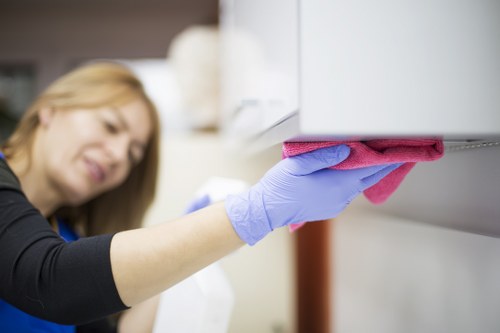
Regular cleaning refers to the consistent, scheduled maintenance of a space to keep it neat, hygienic, and presentable. Unlike deep cleaning, which targets hidden buildup and hard-to-reach areas, regular cleaning focuses on the tasks needed to maintain daily or weekly cleanliness. This may include sweeping, vacuuming, mopping, wiping down surfaces, disinfecting high-touch points, emptying trash bins, and tidying up common areas.
The goal of regular cleaning is not perfection; it is consistency. A room that is cleaned frequently tends to stay in better condition than one that is neglected and later scrubbed intensely. Over time, regular cleaning makes maintenance easier, reduces repair costs, and creates a healthier routine for everyone involved. Many people are surprised by how much difference simple habits can make when they are performed consistently.
For businesses, regular cleaning is also part of professional presentation. Customers, clients, and visitors notice clean floors, polished surfaces, and odor-free spaces immediately. A tidy environment sends a message of care and reliability. In homes, the benefits are equally important because routine upkeep helps families enjoy their spaces without constant stress or overwhelming mess.
Why Regular Cleaning Is Essential for Health and Hygiene

Health is one of the strongest reasons to prioritize regular cleaning. Every day, surfaces collect microorganisms, dust, and particles that can affect respiratory comfort and overall wellbeing. Kitchens, bathrooms, entryways, and shared areas are especially prone to buildup because they see heavy use. When regular cleaning is part of the routine, these areas remain safer and more sanitary.
Touchpoints such as door handles, light switches, remotes, desks, faucets, and railings can carry germs from one person to another. Regular cleaning and disinfection of these surfaces helps reduce the chance of cross-contamination. This is particularly important in homes with children, schools, medical-related spaces, and workplaces where multiple people share equipment and furniture.
Regular cleaning also supports allergy management. Dust mites, pet hair, mold spores, and pollen can accumulate quickly if floors and fabrics are not maintained. For people who are sensitive to allergens, routine cleaning can significantly improve comfort and reduce symptoms such as sneezing, congestion, and eye irritation. Cleaner environments often mean healthier routines and fewer avoidable issues.
Common Hygiene Benefits
- Reduces germs on frequently touched surfaces
- Helps control dust and allergens
- Improves indoor air quality
- Supports healthier kitchens and bathrooms
- Creates safer conditions for children, guests, and employees
Regular Cleaning Improves Appearance and Comfort
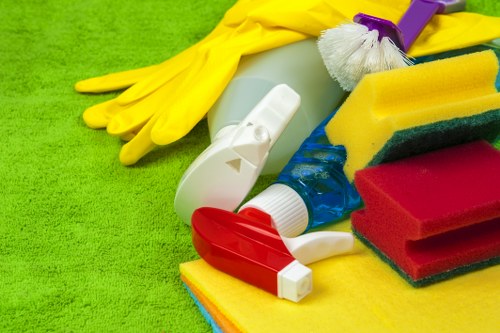
A well-maintained space naturally feels more inviting. Regular cleaning removes visible dirt, smudges, and clutter, which makes rooms appear brighter and more organized. Even small efforts like wiping tables, straightening cushions, and keeping floors free of debris can dramatically improve how a space feels. The result is not only visual cleanliness but also a stronger sense of comfort.
In homes, regular cleaning contributes to a calmer atmosphere. When surfaces are clean and items are put away, daily life becomes easier to manage. People often feel less overwhelmed when their environment is tidy because they do not have to navigate around mess or search through clutter. This can be especially helpful in high-traffic households where routines move quickly.
In commercial settings, appearance can influence reputation. A spotless lobby, organized office, or clean restroom can shape the customer experience before a single word is spoken. Regular cleaning helps maintain a polished look that reflects professionalism and attention to detail. It also helps reduce wear on materials by removing dirt that can scratch or stain surfaces over time.
Visual Results You Can Expect
When regular cleaning is done properly, common improvements often include fresher-looking floors, cleaner countertops, less dust on furniture, and fewer odors in enclosed spaces. These changes may seem small at first, but they add up quickly and create an environment that feels more pleasant day after day.
How Regular Cleaning Supports Property Value and Longevity

One of the less obvious benefits of regular cleaning is the way it protects the long-term condition of a property. Dust, grime, grease, and moisture can slowly damage finishes, fabrics, and surfaces if they are left untreated. Routine maintenance helps prevent staining, corrosion, discoloration, and buildup that may become expensive to address later. In this way, regular cleaning is both a cleanliness habit and a preservation strategy.
Floors, for example, last longer when dirt and abrasive particles are removed frequently. Hardwood, tile, laminate, carpet, and vinyl each have different needs, but all of them benefit from ongoing care. The same is true for countertops, appliances, upholstery, windows, and fixtures. Consistent cleaning reduces the likelihood of premature replacement and supports better overall value.
For landlords and property managers, regular cleaning can also improve tenant satisfaction and reduce turnover stress. For homeowners, it helps keep the property presentable for guests, inspections, and future resale. Consistent upkeep is a simple way to protect an investment while keeping everyday life more manageable.
Areas That Benefit Most from Routine Care
- Floors and carpets
- Kitchen counters and appliances
- Bathroom sinks, showers, and toilets
- Windows, mirrors, and glass surfaces
- Furniture, upholstery, and fabric surfaces
- High-touch areas like handles and switches
Building a Practical Regular Cleaning Routine
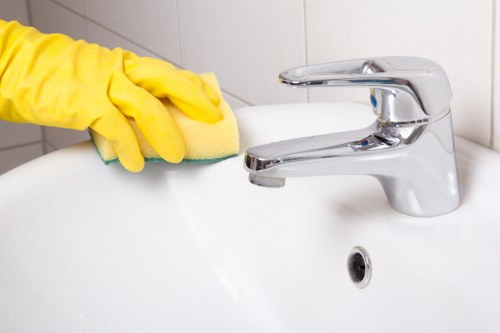
Creating a cleaning routine makes maintenance easier and far less stressful. Instead of waiting until a space feels unmanageable, a clear plan breaks tasks into simple actions that can be handled daily, weekly, and monthly. This approach keeps the workload realistic and prevents cleaning from becoming an all-day chore. A strong routine also reduces the chance that important tasks are forgotten.
A daily routine might include wiping surfaces, putting items away, washing dishes, sweeping problem areas, and emptying small bins. Weekly tasks often involve vacuuming, mopping, changing bedding, sanitizing bathrooms, and cleaning kitchen appliances. Monthly tasks may include dusting vents, washing windows, deep-cleaning upholstery, or organizing storage areas. When these tasks are spread out, regular cleaning becomes much easier to sustain.
It is also helpful to assign tasks based on use and traffic. High-traffic areas need more attention because they collect dirt faster. Kitchens and bathrooms should be cleaned more often than guest rooms or storage closets, while office break areas may require more frequent disinfection than private desks. A smart routine matches the needs of the space rather than treating every room the same.
Simple Routine Example
- Quick tidy-up each morning or evening
- Surface wiping after heavy use
- Vacuum or sweep at least once a week
- Sanitize touchpoints on a regular schedule
- Set aside time each month for deeper maintenance
Regular Cleaning in Homes: Creating a Better Living Space
In residential settings, regular cleaning is closely tied to comfort, family health, and daily peace of mind. A home is where people rest, cook, gather, and recharge, so it makes sense to keep it as clean and functional as possible. When routine maintenance is neglected, the house can quickly feel chaotic. But when it is consistent, the space becomes easier to enjoy and maintain.
Kitchen cleaning is often one of the most important household priorities because food preparation surfaces need special attention. Leftover crumbs, grease, and spills can attract pests and create unpleasant odors. Bathrooms also require regular cleaning because moisture encourages mold and mildew growth. Bedrooms, living rooms, and hallways benefit from dusting and vacuuming to keep fabrics and floors fresh.
Families with children or pets often need even more frequent cleaning. Toys, fur, tracked-in dirt, and spills can accumulate rapidly, making regular cleaning essential rather than optional. The good news is that a few consistent habits can make a major difference without demanding too much time or energy.
Helpful Home Cleaning Priorities
- Clean kitchen counters and sinks daily
- Disinfect bathroom surfaces regularly
- Vacuum rugs and floors often
- Wash bedding and towels on schedule
- Declutter shared living spaces each week
Regular Cleaning in Offices and Commercial Spaces
Workplaces have unique cleaning needs because many people use the same areas throughout the day. Desks, conference tables, pantry counters, restrooms, and shared devices can all become sources of dirt and germs if not maintained properly. Regular cleaning in offices helps reduce illness-related absences, supports employee comfort, and creates a more productive atmosphere.
A clean office also reflects the company’s standards. Clients and visitors are more likely to trust a business that presents itself well, and employees tend to feel more motivated when their surroundings are organized and fresh. Routine upkeep can also help protect electronic equipment, upholstery, and flooring from unnecessary wear. For many businesses, regular cleaning is part of everyday operations, not an afterthought.
Commercial spaces may need cleaning schedules tailored to business hours, foot traffic, and specific industry requirements. Retail stores, healthcare facilities, restaurants, and educational buildings each have different sanitation expectations. A one-size-fits-all approach rarely works. Instead, spaces perform best when the cleaning plan is matched to actual use.
Key Workplace Cleaning Focus Areas
- Entryways and reception areas
- Shared desks and meeting rooms
- Restrooms and handwashing stations
- Break rooms and food-prep areas
- Floors, glass, and high-touch surfaces
The Difference Between Regular Cleaning and Deep Cleaning
People often use the terms regular cleaning and deep cleaning interchangeably, but they are not the same. Regular cleaning is the ongoing maintenance that keeps a space tidy and sanitary. Deep cleaning goes further by targeting buildup in hard-to-reach places, tackling detailed scrubbing tasks, and restoring areas that may have been neglected over time.
For example, regular cleaning might involve wiping the kitchen counters and mopping the floor, while deep cleaning could include scrubbing grout, cleaning behind appliances, or washing baseboards and vents. Both are important, but they serve different purposes. A strong maintenance plan includes regular cleaning as the foundation and deep cleaning as a periodic enhancement.
Many people find that regular cleaning reduces the need for frequent deep cleaning. When dirt and grime are managed consistently, there is less buildup to remove later. This makes every cleaning session more efficient and less physically demanding. It also helps maintain a higher standard of cleanliness throughout the year.
In Simple Terms
Regular cleaning keeps things under control day to day, while deep cleaning addresses what accumulates over time. Together, they create the best results for homes and businesses that want to stay healthy, attractive, and well cared for.
How to Stay Consistent with Regular Cleaning
Consistency is the biggest challenge for many people. Even with good intentions, cleaning tasks can slip when schedules get busy. One of the best ways to stay on track is to make regular cleaning part of a routine instead of treating it as a last-minute responsibility. Small, repeatable actions are far more sustainable than trying to do everything at once.
Using a checklist can help. Many households and businesses benefit from written routines that clearly outline what needs to be done each day, week, and month. This creates accountability and makes it easier to divide work among family members or staff. A checklist also removes the mental burden of remembering every task from scratch.
Another useful strategy is to clean as you go. This means wiping spills immediately, putting items back after use, and handling minor messes before they spread. When small cleaning habits are practiced daily, regular cleaning becomes much easier to maintain. Over time, these habits save time and reduce stress.
Practical Consistency Tips
- Set a fixed cleaning schedule
- Use reminders or checklists
- Handle small messes right away
- Divide tasks by room or zone
- Keep supplies accessible and organized
Choosing the Right Cleaning Products and Tools
Effective regular cleaning depends not only on effort but also on using the right supplies. Different surfaces and materials require different products to avoid damage and achieve the best results. Using a suitable cleaner for glass, wood, tile, fabric, stainless steel, or stone makes routine maintenance more efficient and safer.
Microfiber cloths, mops, vacuum attachments, disinfectant sprays, scrub brushes, and gentle all-purpose cleaners are among the most useful tools for everyday upkeep. The goal is to remove dirt without harming the surface underneath. In many cases, simpler products work better than overly harsh chemicals, especially in homes with children, pets, or people with sensitivities.
It is also wise to read labels carefully and follow instructions. Some products need dwell time to disinfect properly, while others should not be used on certain finishes. A thoughtful product choice supports safer, more effective regular cleaning and helps protect both people and property.
Smart Supply Choices
- Microfiber cloths for dusting and wiping
- Vacuum cleaners with appropriate attachments
- Neutral cleaners for everyday use
- Disinfectants for high-touch surfaces
- Non-scratch scrub tools for delicate finishes
Making Regular Cleaning Easier for Busy Households and Teams
Busy people often assume they do not have time for regular cleaning, but the truth is that a few organized habits can fit into almost any schedule. In homes, assigning age-appropriate tasks to family members can lighten the workload. In workplaces, dividing responsibilities or using a professional cleaning plan can reduce disruption and keep standards consistent.
Time-saving methods make a big difference. Focus on high-use areas first, keep supplies in convenient places, and handle tasks in short sessions instead of waiting for long blocks of free time. This approach reduces resistance and helps cleaning feel more manageable. It also encourages long-term consistency, which is the real key to success.
For larger spaces or demanding environments, bringing in professional support can be a practical option. Many property owners and managers prefer assistance for recurring maintenance because it ensures quality and frees time for other priorities. Whether done personally or professionally, regular cleaning works best when it is treated as a routine investment.
Final Thoughts on Regular Cleaning
Regular cleaning is far more than a chore. It is a simple and powerful way to improve health, comfort, appearance, and long-term value in any environment. From homes and offices to shared buildings and commercial spaces, routine upkeep creates cleaner air, better hygiene, and a more pleasant experience for everyone. It also reduces the effort needed for major cleaning later, making maintenance more efficient overall.
When regular cleaning becomes part of a structured routine, the benefits are easy to see and feel. Spaces stay fresher, surfaces last longer, and daily life becomes less stressful. With the right plan, the right tools, and a commitment to consistency, anyone can maintain a cleaner and more welcoming environment. If your space could use a stronger routine, contact us today and book your service now to keep cleanliness on track all year long.