Insurance and Safety
 Protecting people, property, and projects starts with a clear insurance and safety approach. Whether work takes place on a busy site, in a commercial building, or within a public-facing environment, safety planning must be practical, current, and easy to follow. A strong framework combines public liability insurance, well-structured staff training, suitable PPE, and a consistent risk assessment process. Together, these measures reduce exposure to accidents and help create a safer environment for everyone involved.
Our insurance safety standards are designed to support both day-to-day operations and unexpected events. Public liability insurance is a key safeguard because it helps protect against claims arising from injury or property damage caused during work activities. This matters not only for compliance, but also for confidence: clients, employees, and the public can trust that the right protections are in place. In practice, this means every task is approached with care, responsibility, and an awareness of potential hazards.
Effective insurance and safety management also depends on people. Even the best policy is only part of the picture if teams are not trained to apply safe procedures. That is why training is built into the foundation of every operation. Staff must understand site rules, emergency actions, incident reporting, and the correct use of protective equipment. When these expectations are clear, the whole workplace becomes more controlled and more resilient.
 Staff training is not treated as a one-time event. Instead, it is refreshed regularly so that procedures remain relevant and habits stay strong. Training may include manual handling, hazard spotting, safe movement around equipment, and communication standards. Supervisors also reinforce the importance of speaking up early when something appears unsafe. This active approach to insurance safety reduces avoidable errors and supports a culture where prevention comes first.
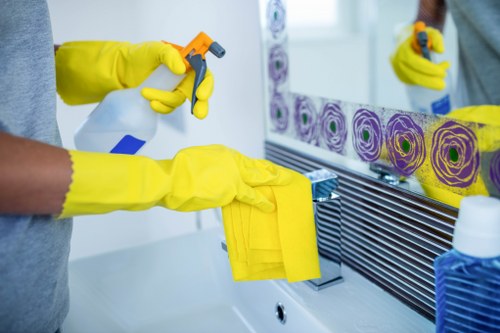
Alongside training, PPE is selected carefully for the task at hand. Personal protective equipment can include helmets, gloves, high-visibility clothing, eye protection, hearing protection, or other specialist items depending on the environment. PPE is never a substitute for safe working methods, but it is an essential final layer of protection. The correct use, storage, inspection, and replacement of PPE are all part of maintaining strong insurance and safety standards.
 A reliable risk assessment process sits at the centre of every safety plan. Before work begins, hazards are identified, the level of risk is considered, and controls are put in place to reduce the chance of harm. This process is then reviewed whenever conditions change, new equipment is introduced, or an incident occurs. By making risk assessment a regular habit, insurance safety measures remain proactive rather than reactive.
Risk assessments are most effective when they are specific. Generic assumptions are avoided because every location and task has different conditions. For example, the risks involved in working at height, handling materials, or operating machinery each require different controls. Clear documentation helps ensure that actions are assigned, understood, and completed. This structured method supports compliance and shows that public liability insurance is backed by real-world prevention.
Good safety planning also means keeping records up to date. Training logs, PPE checks, inspection notes, and incident reports provide evidence that the organisation takes insurance and safety seriously. These records help identify patterns, highlight recurring issues, and guide improvements over time. They also make it easier to demonstrate due diligence, which is especially important when work involves employees, contractors, or members of the public.
Another important aspect of insurance safety is communication. Hazards must be reported promptly, changes in conditions must be shared quickly, and instructions must be easy to understand. Simple, direct communication helps everyone respond to risks before they escalate. Where necessary, additional briefings are held so that staff remain aware of temporary hazards, revised procedures, or updated control measures. This keeps safety practical and consistent across the workplace.
 Because no two environments are identical, the approach to insurance and safety must be flexible enough to adapt while still remaining structured. Public liability cover provides financial protection, but the real strength comes from combining that cover with well-trained people and disciplined processes. When teams use PPE correctly and follow the findings of each risk assessment, they contribute to fewer disruptions and safer outcomes.
Insurance safety is not just about responding to problems; it is about preventing them wherever possible. That is why hazards are reviewed regularly, controls are checked, and staff are reminded of their responsibilities. Continuous improvement keeps safety standards aligned with operational needs and helps maintain a professional working environment. By making prevention part of daily practice, organisations can reduce both exposure and uncertainty.
 In summary, a robust insurance and safety framework relies on three connected elements: public liability insurance, staff training, and practical risk control. With the right PPE in place and a consistent risk assessment process, operations become safer, clearer, and more accountable. This balanced approach supports people on site, protects the public, and strengthens confidence in every project or service delivered.