Mattress Cleaning in for a Healthier, Fresher Sleep Space
Mattress cleaning in is one of the most overlooked parts of home care, yet it has a direct impact on sleep quality, indoor air quality, and overall hygiene. A mattress can quietly collect dust, sweat, skin flakes, body oils, allergens, and even bacteria over time. Because it sits at the center of your nightly routine, keeping it clean is not just about appearance; it is about creating a healthier place to rest.
Many people focus on washing bedding, vacuuming floors, or dusting furniture, but skip the mattress itself. That choice often leads to lingering odors, stained fabric, and a buildup of particles that can affect sensitive sleepers. Whether you are dealing with everyday maintenance or serious deep cleaning, mattress cleaning in should be part of a regular household routine.
In this article, we will look at practical ways to clean a mattress, how often it should be done, why it matters, and when professional help may be the best option. If you want a fresher bed and a cleaner bedroom, mattress cleaning in is a smart place to start.
Why Mattress Cleaning Matters More Than You Think
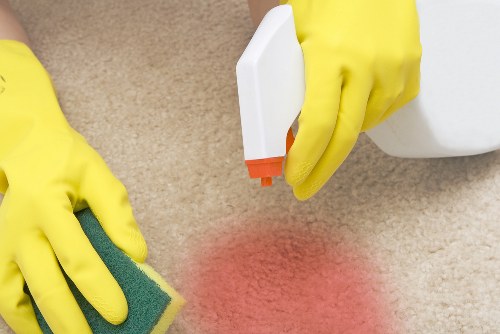
A mattress is used for hours every night, which means it naturally absorbs sweat, dead skin cells, and moisture. Over time, that creates the perfect environment for dust mites and odor-causing bacteria. Regular mattress cleaning in helps reduce these issues and supports a more comfortable sleeping environment.
For families with children, pets, or allergy sufferers, mattress care becomes even more important. A neglected mattress can hold onto allergens and irritants that may make it harder to breathe comfortably at night. Fresh bedding alone is not enough; the surface underneath needs attention too.
There is also a practical side to mattress maintenance. A clean mattress often lasts longer because dirt and moisture are less likely to break down the materials. Investing time in mattress cleaning in can help protect your sleep setup and reduce the need for early replacement.
Common Problems Found in Mattresses
When people think of mattress cleaning in , they often picture dust. Dust is certainly a major concern, but it is only one of many issues. Mattresses can develop several common problems that affect comfort and hygiene.
Some of the most common issues include:
- Dust mites and their waste particles
- Sweat stains and body oil buildup
- Food crumbs and debris from in-bed snacking
- Pet hair and dander
- Mold or mildew caused by trapped moisture
- Unpleasant odors from spills or daily use
- Allergens that settle into the mattress fibers
Each of these problems can build slowly, which is why mattress cleaning in should be done before the mattress looks obviously dirty. Early cleaning is easier, more effective, and usually less expensive than waiting until stains and smells become severe.
How Often Should You Clean a Mattress?
There is no single rule for every household, but regular mattress cleaning in is recommended at least every few months. Vacuuming and light maintenance can be done more often, while deep cleaning is typically needed two to four times a year depending on use.
If you have allergies, asthma, pets, or young children, more frequent cleaning may be necessary. A mattress in a guest room may need less attention than one used every night, but it should still be inspected periodically for dust, stains, and odors.
To keep things manageable, use a schedule that fits your routine. For example, vacuum monthly, treat spills immediately, and perform deeper mattress cleaning in seasonally. This approach helps prevent buildup and keeps your bed feeling fresher throughout the year.
Step-by-Step Mattress Cleaning at Home
Basic mattress cleaning in can be done at home using simple tools and household products. You do not need complicated equipment to improve the freshness of your bed. What matters most is consistency and using the right method for the type of stain or issue you are dealing with.
Here is a practical approach to cleaning your mattress:
- Strip the bed and wash all bedding.
- Vacuum the mattress surface, including seams and corners.
- Spot-clean stains with a suitable cleaner.
- Deodorize if needed using baking soda or another safe product.
- Allow the mattress to dry fully before remaking the bed.
This process works well for routine mattress cleaning in and can be adapted depending on the mattress material and the type of mess present. The key is to avoid soaking the mattress, since too much moisture can lead to mold and odor problems.
Vacuuming the Mattress Properly

Vacuuming is one of the easiest and most effective parts of mattress cleaning in . It removes dust, hair, lint, and surface debris before those particles settle deeper into the fabric. Use a clean upholstery attachment and work slowly across the mattress in overlapping lines.
Pay special attention to seams, edges, and tufted areas where dust and crumbs often collect. If your vacuum has a brush attachment, use it gently to loosen debris without damaging the surface. For many households, regular vacuuming is the foundation of mattress cleaning in that keeps buildup under control.
Pro tip: vacuum both sides if your mattress is flippable. This extra step helps reduce hidden dust and extends the life of the mattress by keeping both surfaces cleaner.
Spot Cleaning Stains Safely
Spills happen, and when they do, fast action is important. The best mattress cleaning in for stains starts with blotting, not rubbing. Rubbing can push the stain deeper into the fibers and spread it across a larger area.
For many common stains, a mild mixture of water and gentle soap can be applied to a cloth and dabbed onto the stain. Use as little liquid as possible and blot until the spot begins to lift. Avoid harsh chemicals unless the mattress manufacturer specifically allows them.
Always test any cleaner on a small hidden area first to make sure it does not discolor or damage the fabric. Careful spot treatment is a major part of successful mattress cleaning in because it preserves the mattress while addressing visible messes.
Deodorizing for a Fresher Sleep Surface

Odors can develop even when a mattress does not look dirty. Sweat, moisture, and everyday use can create a stale smell that makes the bedroom feel less inviting. Mattress cleaning in often includes deodorizing to remove or reduce these odors.
One common method is sprinkling a light layer of baking soda over the surface and letting it sit for several hours before vacuuming it away. This can help absorb moisture and neutralize odor. For stronger smells, a professional treatment may be more effective, especially if the odor has settled deep into the mattress layers.
Fresh air also helps. If possible, open windows and let the room ventilate while the mattress is drying. Good airflow supports better mattress cleaning in and helps prevent musty smells from returning.
Deep Cleaning vs. Surface Cleaning
Not all mattress cleaning in is the same. Surface cleaning is useful for routine upkeep, while deep cleaning targets embedded dirt, stubborn odors, and more serious stains. Understanding the difference helps you choose the right method at the right time.
Surface cleaning usually includes vacuuming, light deodorizing, and quick stain treatment. Deep cleaning may involve steam extraction, enzyme-based solutions, or specialized equipment. The correct choice depends on the mattress type, the severity of the problem, and how long the issue has been present.
If your mattress has not been cleaned in a long time, or if it has visible discoloration and persistent odor, deep mattress cleaning in may be the better option. It can restore freshness more effectively than repeated surface treatments alone.
Professional Mattress Cleaning Services

There are times when DIY mattress cleaning in is not enough. Professional cleaners have access to equipment and products designed to remove deep-seated dirt, sanitize the mattress, and treat tougher stains more effectively. This is especially useful for high-use mattresses or delicate materials.
Professional mattress cleaning can be a smart choice if you are dealing with:
- Persistent odors
- Old stains that do not lift easily
- Allergy concerns
- Moisture damage or mildew
- A mattress that needs sanitizing after illness
When comparing service options, look for methods that are safe for your mattress type and do not over-wet the materials. Contact us today to learn how professional mattress cleaning in can help restore a healthier, cleaner sleep surface.
Mattress Cleaning for Different Mattress Types
Different mattresses require different care. Mattress cleaning in should always be tailored to the material and construction of the bed. Using the wrong approach could reduce comfort or damage the structure.
For example, memory foam mattresses should not be saturated with water because excess moisture can be difficult to remove. Innerspring mattresses may tolerate some spot cleaning more easily, while latex mattresses may require gentle care to preserve their elasticity. Hybrid designs often need a combination of methods depending on the layer being treated.
Always check the manufacturer’s care label before applying any cleaner. That simple step can prevent mistakes and make mattress cleaning in safer and more effective.
Memory Foam Mattresses
Memory foam is popular because it contours to the body, but it also absorbs liquid more readily than some other materials. For mattress cleaning in , use minimal moisture, blot carefully, and allow extra drying time. Avoid steam cleaning unless the manufacturer specifically approves it.
Innerspring Mattresses
Innerspring mattresses can often handle light surface cleaning well, but moisture still needs to be controlled. Mattress cleaning in for this type usually focuses on vacuuming, spot treatment, and proper drying to prevent rust or mold in internal components.
Latex and Hybrid Mattresses
Latex mattresses and hybrids may have unique layers that respond differently to heat, moisture, and cleaning products. A gentle, low-moisture approach is usually best. If in doubt, professional mattress cleaning in may be the safest option for preserving the material.
Natural Cleaning Methods That Work
Many people prefer natural solutions for mattress cleaning in because they are often simple, affordable, and easy to use. While natural does not automatically mean better for every situation, some methods are effective for routine maintenance.
Popular natural options include:
- Baking soda for odor absorption
- White vinegar for certain stains when diluted properly
- Gentle soap and water for small spots
- Sunlight and fresh air for drying and deodorizing
These methods can support mattress cleaning in without relying on strong chemicals. However, they should still be used carefully. For example, vinegar may not be suitable for all fabrics, and too much liquid can create bigger problems than the stain itself.
How Mattress Cleaning Supports Better Sleep
A clean mattress can do more than improve appearances. It can also support a better sleep environment. Mattress cleaning in helps reduce allergens, odors, and discomfort that may interrupt rest. When your bed feels fresh, it is easier to relax and fall asleep.
People often underestimate the effect of cleanliness on sleep quality. A stale-smelling or dusty mattress can make the bedroom feel less inviting, which may subtly affect sleep habits over time. Regular mattress cleaning in contributes to a more pleasant nighttime routine.
Better sleep is not only about comfort. It is also about creating a space that feels calm, hygienic, and well cared for. That is one reason why mattress cleaning in should not be viewed as optional maintenance.
Signs Your Mattress Needs Immediate Attention
Some situations call for mattress cleaning in right away rather than waiting for the next scheduled session. Watch for these signs:
- Visible stains or spots
- Persistent odors
- Increased allergy symptoms at night
- Signs of mold or mildew
- Noticeable dust or debris buildup
- Spills that were not cleaned quickly
If any of these appear, do not delay. The longer you wait, the harder mattress cleaning in becomes. Immediate action often prevents permanent damage.
Simple Maintenance Habits That Help
Good habits can reduce how often deep mattress cleaning in is needed. Try rotating the mattress if the manufacturer recommends it, using a washable mattress protector, and washing bedding weekly. These small steps make a big difference over time.
It also helps to avoid eating or drinking in bed when possible. Fewer spills mean fewer stains, and less debris means easier mattress cleaning in . Even simple daily habits can protect the cleanliness and lifespan of your mattress.
Book your service now if your mattress needs more than basic care and you want a cleaner, fresher sleeping environment.
Contact us today to take the next step toward better mattress hygiene and a healthier bedroom atmosphere.