Deep Cleaning: A Practical, SEO-Friendly Approach to a Fresher, Healthier Space
Deep cleaning is more than a surface-level tidy-up. It is a thorough, room-by-room process that removes built-up dirt, dust, grease, grime, and hidden debris from areas that regular cleaning often misses. Whether you are preparing for a move, refreshing a home after a busy season, or improving hygiene in a workplace, deep cleaning creates a noticeable difference in both appearance and comfort.
Many people search for deep cleaning services because they want a space that feels genuinely renewed. Unlike routine cleaning, deep cleaning focuses on the details: behind appliances, along baseboards, inside cabinets, around fixtures, under furniture, and in hard-to-reach corners. That extra attention not only improves how a property looks but also supports better indoor air quality and a more organized environment.
In this article, we will explore what deep cleaning involves, why it matters, which areas deserve special attention, and how to plan the process efficiently. You will also find practical tips, checklists, and expert-style insights to help make deep cleaning easier, more effective, and more valuable for any setting.
What Deep Cleaning Really Means
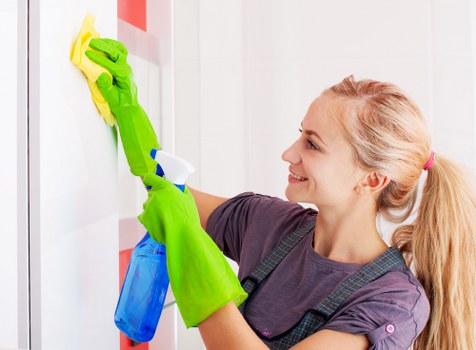
Deep cleaning is a detailed cleaning process designed to reach beyond everyday maintenance. While regular cleaning usually covers visible surfaces such as counters, floors, and sinks, deep cleaning targets the hidden buildup that accumulates over time. This includes soap scum on shower doors, dust behind furniture, crumbs in drawers, and grease around kitchen appliances.
The purpose of deep cleaning is not just to make a property look neat. It is about restoring cleanliness at a deeper level. A properly executed deep cleaning can reduce allergens, eliminate lingering odors, and help surfaces last longer by removing corrosive buildup before it causes damage.
How Deep Cleaning Differs from Routine Cleaning
Routine cleaning is usually performed weekly or even daily. It keeps surfaces presentable and sanitary. Deep cleaning, on the other hand, is typically done less often and takes more time and attention. It includes tasks such as scrubbing grout, cleaning vents, degreasing kitchen surfaces, and disinfecting areas that people touch frequently but rarely clean thoroughly.
The difference is important because a clean-looking room can still hold dust, bacteria, and grime in places you do not immediately notice. Deep cleaning helps close that gap and brings a more complete level of cleanliness to the entire space.
Why the Difference Matters
When people understand the distinction between surface cleaning and deep cleaning, they can plan better maintenance routines. This makes it easier to keep a home, office, or commercial property in better condition over the long term. It also helps set realistic expectations about time, tools, and effort.
Why Deep Cleaning Is Important
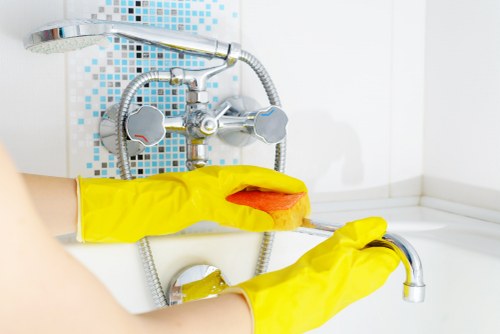
Deep cleaning plays a major role in maintaining a healthier environment. Dust, pet dander, mold spores, food residue, and bacteria can build up in areas that are not cleaned regularly. Over time, this buildup can affect air quality, trigger allergies, and create unpleasant smells. A detailed cleaning process helps remove these irritants and makes the environment feel more comfortable.
Another reason deep cleaning matters is preservation. Floors, upholstery, tiles, countertops, and appliances all last longer when they are cleaned properly. Grease, moisture, and grime can wear down finishes and materials if ignored for too long. Deep cleaning helps protect your investment by preventing premature deterioration.
For many households and businesses, deep cleaning is also about presentation and confidence. A spotless space creates a positive impression, whether it is for guests, customers, tenants, or staff. Clean surroundings send a message of care, organization, and professionalism.
Health and Hygiene Benefits
Deep cleaning services can reduce the spread of germs by disinfecting high-touch areas such as door handles, switches, rails, and countertops. It is especially useful during seasonal changes, after illness, or when a space has seen heavy use. In kitchens and bathrooms, where moisture and residue are common, deep cleaning helps minimize bacteria growth and unpleasant buildup.
- Reduces dust and allergens
- Improves indoor air quality
- Helps control odors
- Supports better hygiene in kitchens and bathrooms
- Protects surfaces from long-term damage
When Deep Cleaning Becomes Essential
There are certain situations when deep cleaning is especially valuable: after renovations, before moving into a new property, after hosting events, following a long period of neglect, or when preparing a space for sale or lease. In these cases, deep cleaning can transform a property quickly and effectively.
Areas That Need the Most Attention

One of the biggest challenges in deep cleaning is knowing where to focus. Some areas are commonly overlooked, even though they collect dirt more quickly than others. A smart approach is to work systematically from top to bottom and from least dirty to most dirty so that dust and debris do not spread around.
Kitchens often require the most effort because of grease, crumbs, food residue, and steam buildup. Bathrooms also need close attention because of soap scum, mineral deposits, mold, and bacteria. Living rooms, bedrooms, and hallways can hide dust in fabrics, vents, corners, and under furniture, especially in homes with pets or children.
It is also important to clean areas that people touch often. Light switches, remote controls, cabinet handles, faucets, and appliance buttons can accumulate germs and grime more quickly than expected. Deep cleaning targets those high-use areas so the entire space feels fresher and more sanitary.
Key Zones to Prioritize
- Kitchen: ovens, stovetops, backsplashes, cabinets, sinks, and appliance exteriors.
- Bathroom: tiles, grout, shower doors, drains, mirrors, and fixtures.
- Bedrooms: under beds, closets, baseboards, and window sills.
- Living areas: upholstery, vents, corners, shelves, and behind furniture.
- Entryways: door frames, mats, switches, and flooring edges.
When these zones are properly addressed, the entire property benefits. Deep cleaning is most effective when the smallest hidden areas receive the same care as the obvious ones.
How to Plan an Effective Deep Cleaning Routine
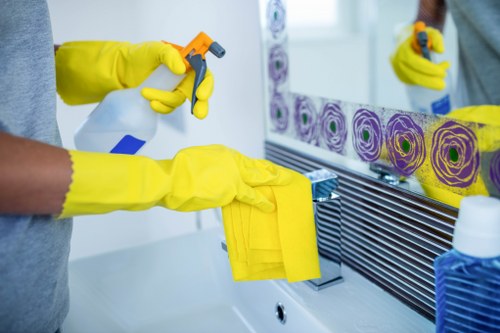
Planning is one of the most important parts of successful deep cleaning. Without a plan, it is easy to miss areas, waste time, or repeat work. A structured routine helps you move through the space efficiently and stay focused on the tasks that matter most. It also makes deep cleaning less overwhelming, especially in larger homes or busy commercial settings.
Start by dividing the space into sections. Choose one room or zone at a time and complete it fully before moving on. This reduces the chance of spreading dust and grime from one area to another. It also gives you a clearer sense of progress, which is motivating during a longer cleaning session.
Preparation matters. Gather supplies before starting so you do not interrupt the process. Good tools can make deep cleaning easier, faster, and more thorough. Depending on the space, you may need microfiber cloths, scrub brushes, disinfectants, glass cleaner, a vacuum, mop, bucket, degreaser, and protective gloves.
Sample Deep Cleaning Checklist
- Dust ceiling fans, vents, and light fixtures
- Wipe baseboards and trim
- Clean behind and under furniture
- Wash windows, mirrors, and glass surfaces
- Scrub sinks, tubs, toilets, and tile
- Degrease kitchen appliances and cabinet fronts
- Vacuum upholstery and soft furnishings
- Mop and sanitize floors thoroughly
Sticking to a checklist ensures consistency. It helps you maintain high standards every time you do a deep cleaning session.
Best Timing for Deep Cleaning
Many people schedule deep cleaning seasonally, such as in spring or before major holidays. Businesses may prefer monthly, quarterly, or event-based cleaning depending on traffic and industry needs. The right schedule depends on how quickly the space accumulates dirt and how much use it receives.
Deep Cleaning Room by Room
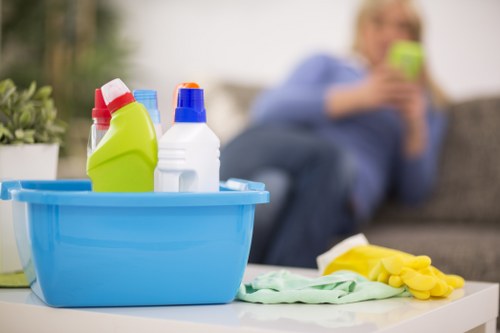
Every room has its own cleaning priorities, and deep cleaning works best when those differences are respected. A kitchen deep clean will not look the same as a bedroom deep clean, because each room has different surfaces, risks, and buildup patterns. Understanding these differences improves results and saves time.
In the kitchen, focus on appliances, cabinets, countertops, sinks, backsplashes, and hidden grease. Remove items from shelves and drawers so you can clean the interiors properly. Pay close attention to areas near the stove and sink, where grime tends to accumulate fastest. If possible, pull appliances away from walls to clean underneath and behind them.
In bathrooms, shower walls, grout, faucets, drains, and toilet bases need special care. Water stains and soap residue can make a bathroom look dull even when it is otherwise tidy. Deep cleaning restores shine and helps control moisture-related buildup that can become a problem over time.
Living Room and Bedroom Focus
Living rooms and bedrooms usually need less scrubbing than kitchens or bathrooms, but they still benefit from careful deep cleaning. Dust can collect in drapes, cushions, vents, shelves, lamps, and furniture seams. Vacuuming upholstery, rotating cushions, and wiping baseboards can make a noticeable difference.
Closets also deserve attention. Remove items, vacuum the floor, and wipe shelving to eliminate dust and odors. A clean closet improves organization and makes it easier to maintain the rest of the room. This is a good time to sort through unused items and refresh the space more intentionally.
For homes with pets, deep cleaning may require extra attention to hair, odors, and dander. Soft furnishings, carpets, and corners often trap fur and dust. Using a pet-safe approach can keep the environment comfortable while still delivering strong results.
Commercial Deep Cleaning Considerations
Workplaces and commercial properties often need a different strategy. High-traffic floors, shared desks, reception areas, restrooms, kitchens, and break rooms can build up dirt quickly. Deep cleaning in these settings supports professionalism, hygiene, and employee comfort. It can also reduce wear in areas that receive constant use.
- Reception desks and waiting areas
- Meeting rooms and shared equipment
- Break rooms and kitchenettes
- Restrooms and sanitation stations
- Floor edges, corners, and entry points
Whether residential or commercial, the principle remains the same: deep cleaning should leave no major surface or hidden spot untouched.
Tools, Products, and Techniques That Improve Results
The best deep cleaning results come from using the right combination of tools and techniques. A microfiber cloth picks up dust more effectively than a dry rag. A quality vacuum with attachments can reach upholstery, corners, and stairs. A scrub brush can lift residue from grout and textured surfaces that wiping alone cannot handle.
Cleaning products should match the surface and the type of buildup. Degreasers work well in kitchens, while bathroom cleaners are often designed to tackle soap scum and mineral deposits. Disinfectants are useful for high-touch areas, but they should be used correctly and according to label instructions. Using the wrong product can damage surfaces or reduce effectiveness.
Technique matters just as much as product choice. Working from top to bottom prevents dust from falling onto already cleaned areas. Cleaning dry dust before wet cleaning avoids turning debris into mud. And allowing cleaners enough dwell time improves their ability to break down grime and kill germs.
Helpful Deep Cleaning Tips
- Always test products on a small hidden area first
- Use separate cloths for bathrooms and kitchens
- Open windows when using strong cleaners
- Let surfaces dry properly to avoid streaks or moisture buildup
- Keep a regular schedule to reduce heavy buildup
Consistency is key. The more regularly deep cleaning is performed, the easier each session becomes. Small, repeated efforts can prevent large-scale buildup and keep the space looking better for longer.
When to Consider Professional Help
Sometimes deep cleaning requires more time, equipment, or expertise than a household or office team can manage alone. Large properties, post-construction mess, heavy grease, mold concerns, or extreme clutter may justify professional support. In those situations, hiring experienced cleaners can save time and improve results.
Book your service now if you want to save time and achieve a higher standard of cleanliness without the stress of doing everything yourself. Professional deep cleaning can be especially valuable when deadlines, events, or move-in dates are involved.
Maintaining Results After Deep Cleaning
Deep cleaning makes a strong impact, but the results last longer when paired with good maintenance habits. Simple routines such as wiping counters daily, vacuuming regularly, and clearing clutter can slow the return of dust and grime. The goal is to keep the space from reaching the point where another major reset is needed too soon.
It also helps to assign small tasks throughout the week. For example, one day can be devoted to dusting, another to bathroom touch-ups, and another to kitchen maintenance. Breaking responsibilities into manageable pieces makes it easier to sustain cleanliness without feeling overwhelmed.
Seasonal changes are a good reminder to revisit deep cleaning. As weather shifts, so do cleaning needs. Spring may bring pollen, summer can bring more foot traffic, fall may introduce leaves and debris, and winter can create extra moisture and indoor buildup. Adapting the routine to the season keeps your environment in better shape.
Simple Habits That Support Long-Term Cleanliness
- Remove clutter before it accumulates
- Wipe spills immediately
- Vacuum and sweep high-traffic areas often
- Clean vents and filters regularly
- Refresh bathrooms and kitchens before grime builds up
These habits may seem small, but they make a significant difference. A clean environment is easier to maintain than one that is already overloaded with buildup. That is why deep cleaning and ongoing maintenance should work together.
Creating a Smarter Cleaning Schedule
Consider building a schedule that includes daily, weekly, monthly, and seasonal tasks. This structure makes it easier to stay organized and ensures that no area is forgotten. For busy families, property managers, and business owners, a predictable schedule reduces stress and improves cleanliness across the board.
Contact us today if you are ready to improve your environment with a focused and reliable deep cleaning plan. A well-maintained space is not only easier to live or work in, but also more pleasant for everyone who enters it.
Why Deep Cleaning Delivers Lasting Value
Deep cleaning is a smart investment in comfort, hygiene, and property care. It refreshes the look of a space, supports healthier indoor conditions, and helps surfaces and materials last longer. For homeowners, it creates a more peaceful and organized atmosphere. For businesses, it strengthens the image of reliability and care.
Because deep cleaning goes beyond ordinary upkeep, it can address issues that may have gone unnoticed for months. That deeper level of attention is what makes the process so valuable. It is not just about cleaning what can be seen; it is about restoring the entire environment to a better standard.
When done well, deep cleaning changes how a space feels. Rooms look brighter, air feels fresher, and surfaces appear more polished. That transformation is one of the main reasons people continue to search for deep cleaning services when they want real results.
Final Thoughts
Deep cleaning is essential for anyone who wants a healthier, more attractive, and better-maintained space. From kitchens and bathrooms to offices and shared areas, it reaches the places that routine cleaning often misses. With the right planning, tools, and schedule, deep cleaning becomes less of a burden and more of a practical system for long-term cleanliness.
If your home or workplace is ready for a noticeable refresh, do not wait until buildup becomes a bigger problem. Book your service now and take the next step toward a cleaner, more comfortable environment. Deep cleaning can make a dramatic difference, and the benefits are easy to see and feel.
From better hygiene to stronger presentation, deep cleaning remains one of the most effective ways to improve any space.