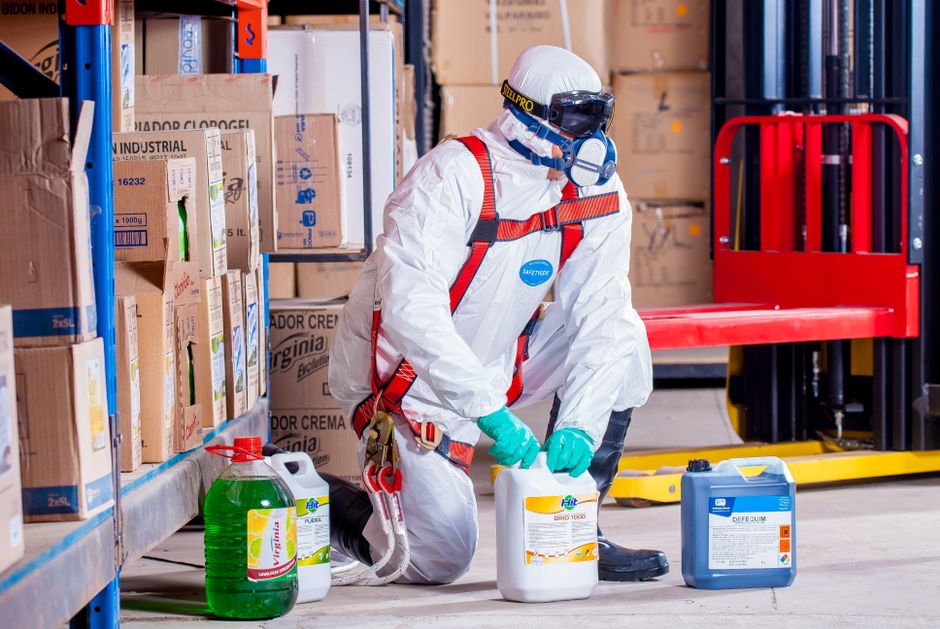
Hounslow Council rules for hazardous waste from cleaning jobs
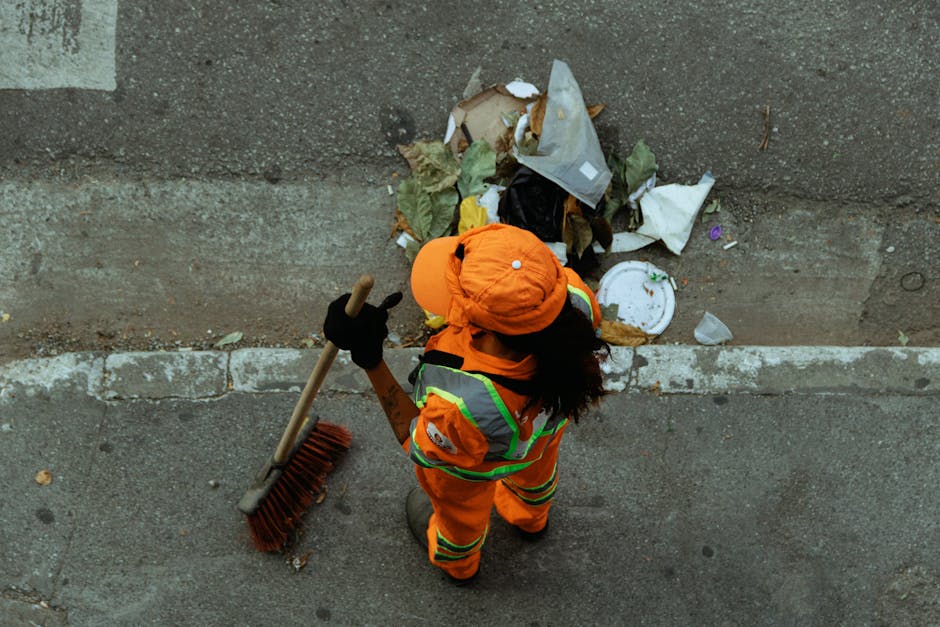
If you clean homes, offices, or rental properties in Hounslow, hazardous waste can show up when you least expect it. A half-used oven cleaner, a bleach-soaked cloth, a broken aerosol, a paint strip from an after-builders job - all of it can turn a normal clean into a disposal issue. The tricky part is that Hounslow Council rules for hazardous waste from cleaning jobs are not just about "bin it or don't bin it". They're about identifying the waste properly, storing it safely, and getting it into the right disposal route without creating risks for people, property, or the environment.
That sounds dry, but in practice it matters a lot. One small mistake can mean a safety issue in a client's kitchen, a messy spill in a van, or a problem with duty of care if you are running a business. In this guide, we'll break down what counts as hazardous waste, how it is usually handled in cleaning work, where people go wrong, and how to stay on the safe side without making life harder than it needs to be.
- Why Hounslow Council rules for hazardous waste from cleaning jobs matters
- How the process works in practice
- Key benefits and practical advantages
- Who this is for and when it makes sense
- Step-by-step guidance
- Expert tips for better results
- Common mistakes to avoid
- Tools, resources and recommendations
- Law, compliance, standards and best practice
- Options, methods, or comparison table
- Case study or real-world example
- Practical checklist
- Conclusion
- Frequently asked questions
Why Hounslow Council rules for hazardous waste from cleaning jobs Matters
Cleaning jobs create a wider mix of waste than people often realise. Most of it is harmless enough: dust, packaging, paper towels, food residue, vacuum debris. But once you introduce bleach, solvents, aerosol sprays, oven degreasers, mould remover, paint remover, or contamination from body fluids, you're no longer dealing with ordinary rubbish in the everyday sense.
That's where the council context becomes important. Local waste rules shape how commercial and domestic waste is sorted, stored, moved, and disposed of. For cleaning businesses, the practical question is simple: what should be separated, what must be kept secure, and what should never be put into general waste? Get that wrong and you risk cross-contamination, complaints from clients, and avoidable disposal costs. Get it right and the whole job feels calmer. Less frantic. Less apologetic when the bin bag starts leaking at the worst possible moment.
There's also a reputation angle. Customers notice when a cleaner handles waste responsibly. They may not say much, but they do notice. A tidy, methodical system suggests competence, and that builds trust fast - especially in places like end-of-tenancy cleans, deep cleans, and after-builders work where the waste can be a bit ugly, frankly.
For anyone providing cleaning services in and around Hounslow, the safest approach is to treat hazardous waste as a planning issue, not a last-minute problem. That mindset makes a real difference.
Practical summary: if a cleaning product, residue, or contaminated item could hurt someone, react with other waste, or create a disposal issue, stop and classify it before you throw it away.
How Hounslow Council rules for hazardous waste from cleaning jobs Works
At a practical level, the process usually follows a simple chain: identify the waste, separate it, store it safely, and use the correct disposal route. The details depend on the substance and how much of it you have, but the logic stays the same.
For cleaning jobs, hazardous waste usually appears in one of these forms:
- leftover chemicals in original containers
- empty containers that still contain residue
- aerosol cans
- paint, varnish, adhesive, or stripper residues from post-renovation cleaning
- contaminated rags, wipes, and absorbent materials
- sharp items mixed into rubbish, such as broken glass or blades
- contaminated soft materials after trauma, pest, or severe mould situations
Not every smelly or dirty item is hazardous waste. That's a common confusion. A dirty mop head is not automatically hazardous. A rag soaked in a solvent-based cleaner might be. A bag of general dust from a hoover is usually ordinary waste, unless it's contaminated with something specific that changes the picture.
Hounslow Council itself is only part of the story. In the real world, cleaners also have to follow the waste hierarchy, health and safety duties, and any instructions from waste contractors or site managers. For example, a commercial site may require labelled segregation before anything leaves the premises. A landlord may ask for a safe handover after an end of tenancy cleaning job, but if hazardous waste is involved, that handover has to be handled carefully and not left to guesswork.
That's especially true in jobs like after builders cleaning or deep cleaning, where leftover materials, dust, and chemical cleaners may all be present at once. One small contaminated wipe can travel further than you expect. Tiny thing, big nuisance.
What "hazardous" usually means in cleaning work
In plain English, hazardous waste is anything that could be corrosive, toxic, flammable, reactive, infectious, or harmful to health or the environment. In cleaning jobs, that often means professional-strength products or contaminated disposables rather than everyday household rubbish.
Some items may only become hazardous because of what they touched. That distinction matters. A paper towel used with a mild detergent is very different from one used to mop up solvent, mould chemical, or bodily fluid contamination.
Where council rules meet everyday cleaning
The council angle is mainly about safe disposal within local systems. In practice, that means cleaners should not assume everything can go into a black sack and be left outside. Nor should they pour chemicals down sinks just because the bottle is nearly empty. If a product is classed as hazardous or potentially harmful, it needs more care than that. Pretty obvious, but it gets overlooked all the time.
Key Benefits and Practical Advantages
Following the right approach is not just about avoiding trouble. It makes cleaning work cleaner, safer, and more efficient overall.
- Safer sites: fewer chemical spills, fewer sharp hazards, and less exposure for clients and staff.
- Less confusion: a simple segregation system helps everyone know what goes where.
- Better compliance: you are less likely to breach waste handling duties or local disposal expectations.
- Lower risk of complaints: clients are less likely to report smells, leaks, or mess after the job.
- Cleaner vans and storage areas: hazardous items kept separately are easier to manage on the move.
- Stronger professional image: it shows your business takes safety seriously, not just the visible shine on the floor.
There is also a hidden benefit: speed. A cleaner who knows what to do with waste does not waste time second-guessing every bottle or bag. That can save real time on bigger jobs, especially in commercial cleaning or office cleaning, where the waste stream is more varied and the client expects quiet competence rather than a long discussion in the corridor.
And let's be honest, nobody enjoys that awkward pause while everyone looks at a suspicious container and shrugs. Better to have a clear system.
Who This Is For and When It Makes Sense
This topic matters to more people than you might think. It is not just for large facilities teams or specialist contractors. A lot of routine cleaning work can generate hazardous or potentially hazardous waste if the job is done thoroughly.
It is especially relevant for:
- independent cleaners working in domestic homes
- teams carrying out domestic cleaning or house cleaning
- cleaners dealing with after-builders debris, paint marks, or product residues
- businesses handling shared spaces through communal area cleaning
- landlords, agents, and movers involved in move out cleaning or move in cleaning
- specialist teams doing one-off cleaning or regular cleaning in varied properties
- operators handling strong oven cleaners, toilet descalers, or stain treatment chemicals in oven cleaning or carpet cleaning
It also makes sense whenever a job produces waste you would not want mixed into normal household rubbish. That could include aerosol cans, chemical-soaked cloths, and anything that smells strongly of solvent or bleach. If you are unsure, stop and assess it before it goes into a bag. A few extra seconds there can save a headache later.
Step-by-Step Guidance
Here's a practical way to handle hazardous waste from cleaning jobs without turning the whole thing into a drama.
- Identify the waste. Check the label, the smell, the container type, and what the item was used for. If it is a chemical or contaminated material, treat it with caution.
- Separate it immediately. Do not toss it into a mixed sack with general waste. Keep hazardous items in a dedicated container or bag.
- Prevent leaks and spills. Make sure lids are closed, containers are upright, and wet materials are double-bagged if needed.
- Label clearly. If you store waste for later collection, make it obvious what it is. Ambiguity is a bad habit here.
- Keep incompatible items apart. Do not store cleaners, aerosols, and sharp items together if there is any chance of damage or reaction.
- Use the correct disposal route. Follow the local and contractor-specific route for hazardous waste. Do not improvise if the item clearly needs special handling.
- Record what you handled. For businesses, a simple note in your job record can help if a question comes up later.
- Review your process after the job. If waste handling slowed the clean or felt messy, adjust the kit before the next booking.
In a real job, this might look like a cleaner finishing a kitchen deep clean, finding two half-empty bottles of degreaser, a damaged aerosol, and cloths used around an oven door seal. The safe move is to separate them, secure them, and avoid putting them in a regular mixed sack with food waste and paper towels. That is the kind of small decision that keeps the whole job tidy.
A simple decision check
Ask three questions:
- Could this burn, poison, react, or contaminate?
- Could it leak or break during storage or transport?
- Would I be comfortable placing it with ordinary household waste?
If any answer is "maybe not", slow down and treat it as a separate waste type. No heroics needed.
Expert Tips for Better Results
In our experience, the cleanest waste systems are not the fanciest. They are the ones that are easy enough to follow on a tired Friday afternoon when the team is already on the third job and the van smells faintly of citrus cleaner. Simple wins.
- Keep a small hazard kit in the vehicle. Include leak-proof bags, gloves, absorbent material, labels, and a sealable container.
- Train staff to read labels properly. Product names are not enough. Strength, use, and warning symbols matter.
- Separate chemical storage from general rubbish. One bin system for everything is neat until it is not.
- Use products with less residue where suitable. Safer formulation and careful dosing can reduce waste problems.
- Plan for the end of the job before you start. Especially in oven cleaning, window cleaning, or upholstery cleaning, where residues or broken items can appear unexpectedly.
- Keep a calm tone with clients. Most people are happy to cooperate when you explain that a certain item needs separate handling.
A small but useful habit is to check waste at the end of the job while you still remember what each item is. Once it's all in black bags, the memory disappears fast. Funny how that happens.
If your business handles sustainability carefully, it can help to align waste handling with your wider recycling and disposal practices. You can learn more about that approach through the company's recycling and sustainability approach, which supports a more responsible way of working without making the job overcomplicated.
Common Mistakes to Avoid
Most waste mistakes happen because someone is trying to move quickly. Fair enough. But speed and safe disposal do not always mix unless the process is already built properly.
- Mixing chemical waste with general rubbish: this is the big one. It makes sorting harder and can create safety risks.
- Pouring products down sinks or drains: not every leftover cleaner should go into wastewater. If you are not sure, do not assume.
- Leaving open containers in the van: one bump in traffic and you have a leak, smell, and a bad day.
- Ignoring contaminated wipes and cloths: absorbent materials can be more problematic than the liquid itself.
- Confusing "empty" with "safe": a nearly empty aerosol or chemical bottle can still contain residue.
- Skipping staff instructions: everyone should know what happens with hazardous items before the job starts.
- Assuming domestic waste rules are enough for commercial jobs: they are not always the same in practice.
One quiet but common issue is the "I'll deal with it later" habit. Later is where compliant waste management goes to die. Better to sort it immediately, then move on. Simple, but it works.
Tools, Resources and Recommendations
You do not need a warehouse full of specialist kit to manage hazardous waste well. A modest, practical setup usually does the job.
| Tool or resource | What it helps with | Why it matters |
|---|---|---|
| Sealable waste containers | Containing chemicals and contaminated items | Reduces leaks and cross-contamination |
| Heavy-duty bags | Double-bagging wet or contaminated waste | Adds a backup layer if something breaks |
| Labels and marker pens | Identifying waste types clearly | Prevents confusion during storage or handover |
| Disposable gloves | Safe handling of contaminated materials | Basic protection for routine cleaning work |
| Absorbent materials | Containing small spills | Stops minor leaks becoming larger ones |
| Job notes or waste log | Tracking what was removed | Useful for business records and accountability |
For businesses, a few site documents are worth keeping close. The health and safety policy should explain how staff handle risks. The insurance and safety information helps set expectations about responsible working. And if you are comparing providers, the pricing and quotes page can be useful because waste handling sometimes affects the scope of a clean, especially on larger or messier jobs.
For clients who want a more complete service, it can also help to think about the type of clean being booked. A light tidy is different from an after builders cleaning appointment or an intensive deep cleaning visit. The more intense the job, the more likely unusual waste will show up. That's just how it goes.
Law, Compliance, Standards, or Best Practice
Without pretending to give legal advice, the safest approach in the UK is to treat hazardous waste as a regulated responsibility rather than ordinary rubbish. That means acting with care over storage, transport, transfer, and disposal. Businesses should also think about duty of care, which in practical terms means you are responsible for handling waste properly and passing it on correctly.
For cleaning companies, best practice usually includes:
- identifying hazardous waste before disposal
- separating it from general waste
- keeping it secure and clearly marked
- using suitable disposal arrangements
- training staff so they do not have to guess
- keeping records where appropriate
If a waste item is regulated, contaminated, or potentially dangerous, do not rely on assumptions. The simplest rule is often the best one: if you are not certain it belongs in normal waste, treat it differently until you know more.
Best practice also links neatly with service quality. The cleaner who handles waste carefully is usually the cleaner who notices the small things: a chemical cap not quite sealed, a ripped bag, a residue line under a bin, or a cloth that should not go back into the same sack as everything else. Those details are boring until they matter. Then they matter a lot.
Options, Methods, or Comparison Table
Different waste handling methods suit different cleaning scenarios. Here's a straightforward comparison to help you choose the right approach.
| Method | Best for | Pros | Limitations |
|---|---|---|---|
| General waste only | Clearly non-hazardous debris | Fast, simple, low effort | Unsafe if mixed with chemicals or contamination |
| Separated hazardous container | Cleaning chemicals, aerosols, residue-heavy items | Safer storage and easier sorting | Needs planning and clear labelling |
| Double-bagging with labels | Wet wipes, contaminated cloths, minor spill materials | Useful backup protection | Not suitable for all dangerous substances |
| Specialist disposal route | More serious or regulated hazardous waste | Most compliant for complex jobs | May take more coordination |
For most cleaning businesses, the best answer is not one single method. It is a small system that adapts to the job. A domestic clean may only need careful separation of a few product bottles. An after-builders or commercial job may need more structured handling. That's normal.
Case Study or Real-World Example
Picture a small team doing a late afternoon move-out clean in Hounslow. The flat looks straightforward at first: dusty skirting boards, some grease on the hob, a bathroom that needs extra attention. Then the team finds a half-used mould spray under the sink, two aerosol air fresheners, and a cracked bottle of oven cleaner with residue on the outside.
Instead of putting everything into one refuse sack, the team separates the items immediately. The cracked bottle is secured upright in a container, the aerosol cans are kept apart from the general rubbish, and the cloth used to wipe the residue is double-bagged. The client barely notices - which is exactly the point. The job still finishes on time, the van stays clean, and nobody is trying to explain a chemical smell on the back seat on the drive home.
Now compare that with the sloppy version. Everything gets shoved together. The bag leaks. Someone gets residue on their glove. The cleaner is then spending ten minutes sorting out what should have been handled in one minute. That's the difference. Not glamorous, but very real.
Practical Checklist
Use this checklist before, during, or after a cleaning job that may create hazardous waste.
- Have I identified any chemicals, aerosols, or contaminated materials?
- Are hazardous items separated from general waste?
- Are containers closed, upright, and leak-resistant?
- Have I labelled anything that will be stored or moved later?
- Are wet cloths, wipes, or absorbent materials double-bagged if needed?
- Have I kept incompatible items apart?
- Do staff know what to do if they find an unknown product?
- Is the disposal route appropriate for the waste type?
- Have I documented anything that may need traceability?
- Have I checked the area for spills or residue before leaving?
If you can tick most of those off without hesitation, you are probably in good shape. If not, pause and reset the process. That little pause is worth it.
Get a free quote today and see how much you can save.
Conclusion
Hounslow Council rules for hazardous waste from cleaning jobs are really about one simple thing: handling the messy edge cases properly so they do not become bigger problems. Most cleaning waste is ordinary. But when chemicals, contamination, aerosols, or sharp items enter the picture, the job needs more care and a more disciplined disposal approach.
The good news is that you do not need a complicated system to get this right. Clear separation, sensible storage, basic staff training, and the right disposal route will carry you a long way. And when those habits become routine, the work feels steadier. Less rushed, less risky, more professional.
If you are planning a one-off deep clean, an end-of-tenancy job, or a broader cleaning programme, it is worth thinking about waste handling at the same time as the cleaning itself. A calm process at the end of a job is often the sign of a well-run service. Quietly reassuring, really.
Careful waste handling is one of those behind-the-scenes habits that makes the whole service feel more trustworthy. Small thing. Big difference.
Frequently Asked Questions
What counts as hazardous waste from a cleaning job?
Usually it includes cleaning chemicals, aerosol cans, contaminated cloths or wipes, solvent residues, broken containers, and anything contaminated with harmful substances. If it could hurt someone, react badly, or leak, treat it carefully.
Can I throw used cleaning products in the normal bin?
Not always. If the product is hazardous, still contains residue, or could leak, it should not go into general waste without checking the correct disposal route. When in doubt, separate it.
Do empty bottles count as hazardous waste?
Sometimes, yes. "Empty" does not always mean safe. A bottle may still contain residue, fumes, or a small amount of chemical that needs special handling.
What should I do with aerosol cans from cleaning jobs?
Keep them separate from general rubbish unless you know they are safe for ordinary disposal. Damaged, pressurised, or partially full aerosols need extra care.
How should contaminated cloths and wipes be handled?
They should usually be separated from normal waste if they have absorbed chemicals, bodily fluids, or other harmful residues. Double-bagging can help for smaller amounts, but the right route depends on the material involved.
Are oven cleaners and descalers always hazardous?
Not always in every case, but many strong cleaning products deserve careful handling because of their chemical strength, residue, and packaging. Read labels and treat them cautiously.
What is the safest way to store hazardous waste before disposal?
Use sealed, upright, clearly marked containers away from general rubbish and away from items that might react with each other. Keep storage tidy and check for leaks regularly.
Do domestic cleaners need to worry about these rules too?
Yes, if they use or remove chemical products, aerosols, or contaminated materials. Domestic work can create hazardous waste more often than people expect, especially during deep cleans or move-out cleans.
What if I am not sure whether an item is hazardous?
Pause and separate it until you can assess it properly. It is better to hold an item aside than to mix it with general waste and create a problem later.
Does end-of-tenancy cleaning create more hazardous waste?
It can, especially when cupboards contain old products, bathrooms have mould treatments, or ovens need strong degreasers. That is why planning matters on these jobs.
Should cleaning businesses keep records of hazardous waste?
Yes, where appropriate. Even a simple internal log can help with accountability, staff training, and later questions about what was removed and how it was handled.
How can I reduce hazardous waste in the first place?
Use products carefully, avoid overuse, choose safer formulations where suitable, and keep waste streams separated from the start. Good planning reduces mess later. It really does.