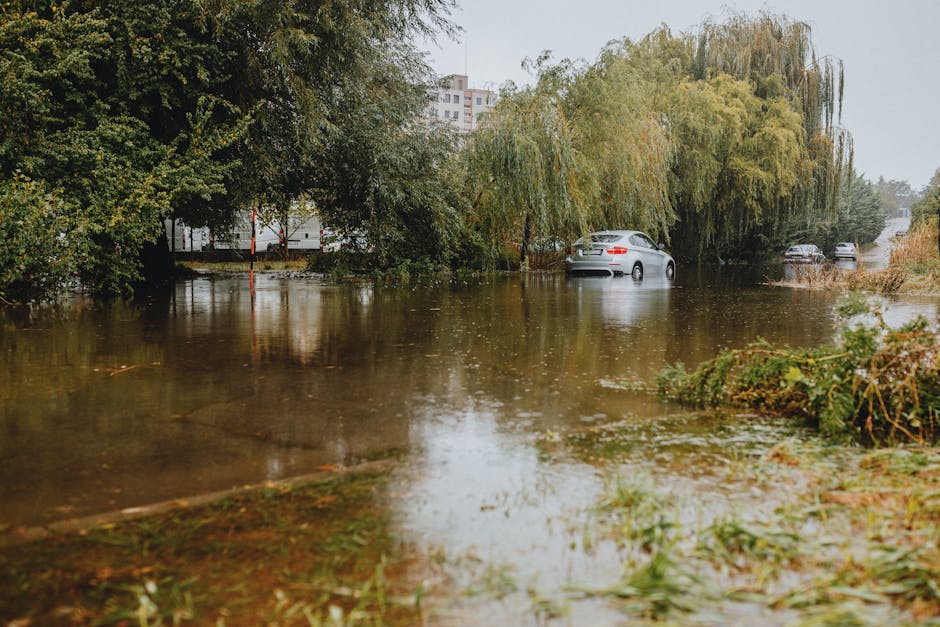
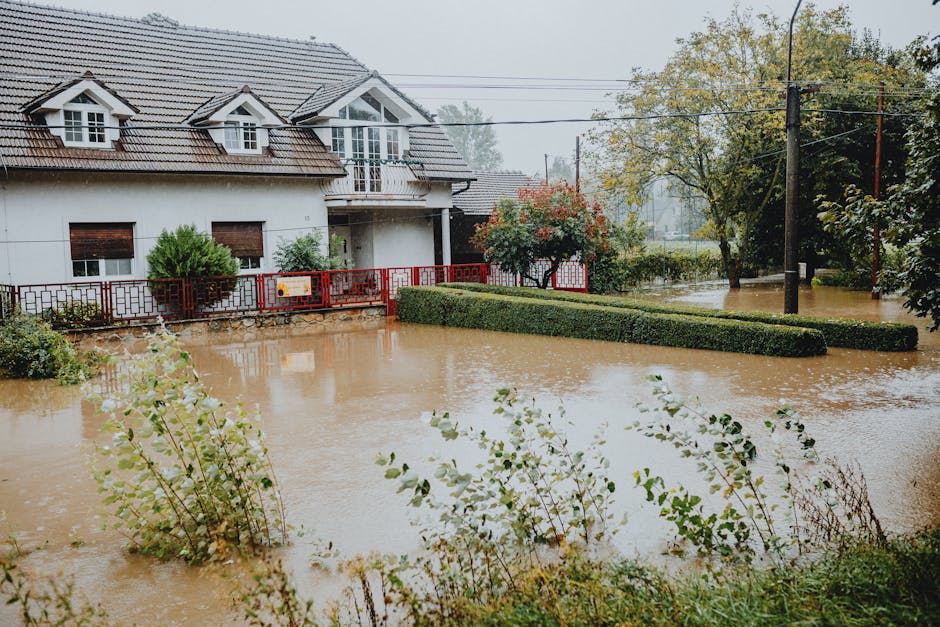
Emergency cleaning after flooding in Hounslow
Flooding is one of those problems that looks manageable for the first five minutes and then turns into a bigger, wetter mess by the hour. If you need emergency cleaning after flooding in Hounslow, the main goal is simple: make the space safe, stop the damage getting worse, and get the property back to a clean, usable condition as quickly as possible. That usually means removing standing water, dealing with contaminated surfaces, checking hidden moisture, and cleaning up the sort of grime and debris that floodwater leaves behind.
Whether the water came in through a door, backed up from drainage, or spread in after heavy rain, the next steps matter a lot. A rushed wipe-down is rarely enough. Truth be told, the real problem is often what you cannot see: damp under flooring, residue in corners, soaked skirting boards, and lingering odours that show up later at the worst possible time. This guide walks you through what emergency flood cleaning involves, what to do first, how to avoid common mistakes, and when it makes sense to bring in professional help.
Table of Contents
- Why emergency flood cleaning matters
- How the cleaning process works
- Key benefits and practical advantages
- Who needs this service and when
- Step-by-step guidance
- Expert tips for better results
- Common mistakes to avoid
- Tools, resources and recommendations
- Law, compliance, standards and best practice
- Options, methods and comparison table
- Case study or real-world example
- Practical checklist
- Conclusion
- Frequently asked questions
Why Emergency cleaning after flooding in Hounslow Matters
Floodwater does not behave like clean water from a tap. It can carry mud, bacteria, debris, sewage traces, fuel residue, and all sorts of unpleasant material depending on where the water came from. Even when the water looks fairly clear, the aftermath can still be messy and risky. That is why emergency cleaning after flooding in Hounslow is about more than appearance. It is about hygiene, safety, and preventing a small problem from becoming a long-term one.
In a typical home or business, delays can affect flooring, furniture, plaster, electrics, and air quality. A wet carpet left too long can start smelling musty before you even realise it. Painted walls can stain. Wood can warp. And once hidden moisture settles into a room, mould may follow. Nobody wants that, obviously. Not in a flat near the high street, not in a family house, and definitely not in an office that needs to reopen on Monday morning.
Flood cleaning also matters because the first few hours are often the most decisive. If you remove water and begin drying promptly, you improve your chances of saving materials and reducing repair costs. If you wait, the clean-up becomes more invasive and often more expensive. That is the hard truth of it.
Expert summary: Emergency flood cleaning is not just a tidy-up job. It is a controlled response aimed at reducing contamination, moisture damage, odours, and disruption before they spread further through the property.
How Emergency cleaning after flooding in Hounslow Works
The process usually begins with a quick assessment. The cleaner or response team checks the source of the water, the extent of the spread, and whether the area is safe to enter. If there is any risk from electrics, sewage, or structural damage, that comes first. No shortcuts there. After that, the work tends to follow a sequence: extract, remove, clean, disinfect, dry, and inspect.
Here is the basic flow in plain English:
- Make the area safe. Turn off electricity to affected zones if there is any doubt, and avoid walking through standing water near appliances or sockets.
- Remove standing water. Wet vacuums, pumps, mops, and absorbent materials are used depending on how much water is present.
- Clear damaged items. Furniture, rugs, soft furnishings, and loose items may need moving out of the wet area.
- Clean visible contamination. Mud, silt, and debris are removed from floors, skirting, walls, and surfaces.
- Disinfect where appropriate. If the floodwater is contaminated, a suitable disinfecting step may be needed on hard surfaces.
- Dry the space thoroughly. Airflow, dehumidification, and targeted drying matter because moisture behind the scenes is the real troublemaker.
- Check for hidden damage. Underlay, carpets, voids, and corners may need a second look once the surface water is gone.
The exact approach depends on what flooded. A kitchen with clean water from a burst pipe is handled differently from a hallway affected by external runoff. A commercial property may also need a faster, more structured response because reopening quickly matters. That is where a service like deep cleaning can be useful after the initial emergency stage, especially when the flood has left residue, odour, or a heavy layer of grime behind.
For some homes, the follow-up stage may be more about restoring comfort than stripping things right back. In those cases, a broader one-off cleaning visit can help once the immediate water damage has been dealt with.
Key Benefits and Practical Advantages
Flood cleaning done properly gives you a lot more than a visual refresh. It gives you breathing room, which is not a small thing when the hallway smells damp and every room feels half-ruined. The benefits are practical, not theoretical.
- Reduces further property damage. Fast extraction and drying can limit swelling, staining, and material breakdown.
- Improves hygiene. Floodwater often leaves behind residues that should not be left on floors, walls, or furniture.
- Helps reduce odours. Lingering smells usually come from moisture trapped in fabrics and floor layers.
- Supports a quicker return to normal. Families, landlords, tenants, and businesses all benefit from getting the space usable again.
- Protects furnishings. Early action can sometimes save carpets, rugs, upholstery, and mattresses if the damage is not too severe.
- Lowers stress. When the practical mess is under control, decision-making gets a lot easier.
For commercial sites, the advantage can be even more direct: less downtime. A small shop, office, or shared building can't always wait around for a slow, piecemeal clean. If the flood has spread into reception areas, corridors, or shared spaces, it may be worth looking at commercial cleaning and communal area cleaning support after the immediate water removal is complete.
There is also peace of mind in using a team that understands where flood cleaning usually goes wrong. That sounds obvious, but it really is the difference between a room that looks clean and a room that is actually recovered.
Who This Is For and When It Makes Sense
This kind of service is useful for more people than you might think. It is not just for severe flooding from major storms. You may need help after a burst pipe, an overflowing appliance, a blocked drain, a roof leak, or water tracking in through a front entrance after heavy rain. In Hounslow, where mixed property types and busy streets can make drainage issues feel very local and very sudden, the need can arise in all sorts of homes and premises.
It makes sense for:
- Homeowners dealing with flooded rooms, damp carpets, or contaminated surfaces.
- Tenants who need to limit damage and document conditions quickly.
- Landlords and letting agents trying to protect a property between occupancies.
- Business owners who need a safe and presentable space open again.
- Property managers dealing with shared corridors, basements, or stairwells.
- Short-let hosts who need a fast reset before the next booking.
Sometimes the issue is not dramatic. A few centimetres of water in one room can still ruin underlay, affect skirting boards, and leave a stubborn smell. Other times it is a bigger spread, and that is when emergency cleaning after flooding in Hounslow needs to happen straight away. If the water has affected bedding or mattresses, specialist follow-up may be needed. The same goes for sofas, upholstered chairs, and rugs, because soft furnishings hold moisture longer than hard floors do.
In some cases, a post-flood reset may lead naturally into carpet cleaning, sofa cleaning, upholstery cleaning, or even mattress cleaning if the materials are still salvageable and safe to treat.
Step-by-Step Guidance
If you are handling the first part yourself, stay calm and work methodically. The aim is not perfection at minute one. It is control. One room at a time. One decision at a time.
1. Keep people out of the affected area
Start by limiting access. Wet floors are slippery, and floodwater can hide hazards like broken glass, lifted flooring, and electrical risks. Children and pets should stay well away until the space is secure. It sounds basic, but basic is good in an emergency.
2. Stop the source if you can do so safely
If the water is still entering the property and it is safe to turn off a valve, do it. If the cause is not obvious, do not start pulling things apart in a panic. A little restraint saves a lot of mess. If the problem involves electrics, leave that side to a qualified person.
3. Remove free water first
Use buckets, mops, towels, or a wet vacuum if one is available. Start at the lowest point and work outward. This is the part where the room looks a bit grim, then slightly less grim, then finally like progress is actually happening. Small win, but a real one.
4. Lift what can be saved
Move furniture, loose rugs, and portable items to a dry space. If an item is very heavy or saturated, don't injure yourself trying to be heroic. Flood cleanup has a habit of reminding people that backs are not replaceable.
5. Separate hard and soft materials
Hard surfaces can often be cleaned and dried more easily than soft furnishings. Carpets, curtains, sofas, and mattresses need more careful handling because they absorb water and can hold odours. Items soaked with dirty floodwater may need disposal depending on the contamination level.
6. Clean and disinfect the right surfaces
Use suitable products for the material involved. Hard flooring, tiles, and sealed surfaces can usually be cleaned more thoroughly than porous materials. If the floodwater was contaminated, disinfecting becomes more important. Keep ventilation going where possible.
7. Dry thoroughly and monitor for hidden damp
This is where people often stop too early. The room may look dry, but moisture can still sit underneath. Watch for damp smells, cold patches, lifting edges, or staining reappearing. If you can, use dehumidification and steady airflow. That steady hum of drying equipment can actually be a reassuring sound after a flood.
8. Reassess after 24 to 48 hours
Check again for signs of lingering moisture. If the space still smells musty or feels damp, something has been missed. That is the moment to slow down and get a proper assessment rather than just hoping it disappears. Hope is lovely. It is not a drying method.
Expert Tips for Better Results
After floodwork, the details are what save time later. A few simple habits can make the clean-up much more effective.
- Photograph the damage early. Before moving too much, take clear pictures for records. It helps with insurance conversations and property documentation.
- Do not mix cleaning tasks randomly. Start with extraction and debris removal before focusing on fine cleaning.
- Work from clean to dirty. That prevents you from spreading contamination into areas that were not affected.
- Use airflow sensibly. Fresh air and dehumidification are more useful than opening a window once and walking away.
- Check under furniture feet and along edges. Water often pools where you would least expect it.
- Give smells time to reveal themselves. A room can seem okay for a few hours and then smell damp the next day.
For landlords or hosts, there is another useful habit: treat post-flood cleaning as part of a wider reset. A water incident often exposes dirt and wear you would have missed otherwise. That is when house cleaning or domestic cleaning can help restore the rest of the property once the emergency zone has been handled.
And yes, sometimes the best tip is simply to slow down. Flood clean-ups are stressful. People rush. Then they miss things. Happens all the time.
Common Mistakes to Avoid
Flood cleaning goes wrong in a few predictable ways. Knowing them ahead of time can save you a second round of trouble, which is the last thing anyone needs after a flood.
- Cleaning before safety checks. If electrics or structural areas may be affected, don't charge in first.
- Leaving damp materials in place. Wet carpets, underlay, or soft furnishings can keep feeding odour and mould problems.
- Using too much fragrance. Strong air fresheners can mask a smell without fixing the cause. Not ideal.
- Ignoring hidden spaces. Under skirting, behind appliances, and inside cupboards are classic problem spots.
- Rinsing contaminated water into other rooms. That just spreads the issue.
- Assuming surface dryness means the job is done. It usually doesn't.
Another common mistake is trying to "save" everything. Some items are worth restoring; others are not. It depends on the water source, the material, and how long it has been wet. That judgement call matters, and a professional cleaner or restoration specialist can help you make it without guesswork.
There is no prize for keeping a ruined rug if it is now a health headache.
Tools, Resources and Recommendations
You do not need a warehouse full of kit to begin a sensible flood response, but a few tools make the job more manageable. If you are preparing for unexpected water damage, these are the basics worth having in mind.
| Tool or resource | What it helps with | Best use |
|---|---|---|
| Wet vacuum | Removing standing water quickly | Floors, hard surfaces, light flooding |
| Mop, buckets, absorbent towels | Manual water pickup | Small to medium spill areas |
| Dehumidifier | Pulling moisture out of the air | Drying rooms after extraction |
| Fans or air movers | Improving airflow | Supporting faster surface drying |
| Protective gloves and boots | Reducing direct contact with contaminated water | Any floodwater clean-up task |
| Seal-able waste bags | Removing ruined materials safely | Discarded soft furnishings or debris |
For a more complete refresh after the floodwater has gone, you may also find it helpful to think in service layers. For example, a home could need window cleaning after splash marks and residue show up, or oven cleaning and house cleaning if the kitchen area was affected and the property needs a broader reset.
If you are comparing help options, look for clear communication, proper insurance, and a practical approach to hygiene and drying. That is more useful than a long list of buzzwords. A good provider should explain what they can salvage, what may need replacement, and what the realistic next step is.
Law, Compliance, Standards and Best Practice
Flood clean-up can touch on safety, waste handling, contamination, and property condition, so it is worth approaching it carefully. In the UK, responsible practice generally means working in line with health and safety expectations, using appropriate protective equipment, and treating contaminated water with caution. Where an area contains sewage, chemical runoff, or electrical risk, the response needs even more care.
You do not need to become a compliance expert overnight, but a few principles matter:
- Protect health first. Avoid exposure to dirty water and contaminated surfaces where possible.
- Use suitable cleaning methods for the material. What works on sealed tile may not be right for carpet or upholstery.
- Dispose of damaged items responsibly. Flood-damaged waste should be handled in a sensible and lawful way.
- Keep records if insurance may be involved. Photos, dates, and notes are useful.
- Use insured help where needed. That matters a lot when the job is bigger than a quick wipe-down.
If you want to check how a provider approaches safety and trust, it is worth reading pages such as health and safety information, insurance and safety details, and about the company. For practicalities around getting started, pricing and quotes can also help you understand what to expect before work begins.
Best practice, in plain English, is to be methodical, cautious, and honest about what can be recovered. That is the safest route, and usually the most cost-effective one too.
Options, Methods, or Comparison Table
Not every flood needs the same response. The right approach depends on how much water entered, what type of water it was, and how fast you need the property back. Here is a simple comparison that may help you decide.
| Method | Best for | Strengths | Limitations |
|---|---|---|---|
| DIY initial clean-up | Small, clean-water incidents | Quick start, low immediate cost | Easy to miss hidden damp or contamination |
| Professional emergency cleaning | Moderate to serious flooding, contaminated water, or urgent reopenings | Faster extraction, better assessment, structured approach | Higher upfront cost than DIY |
| Combined clean and dry response | Flooding that has affected multiple rooms or soft furnishings | More complete recovery and less follow-on damage | May take longer and require more equipment |
| Cleaning plus specialist follow-up | Water damage affecting carpets, upholstery, or business premises | Good for restoration-focused jobs | Depends on the condition of the materials |
If the flood has affected carpets or rugs in particular, a follow-up service such as rug cleaning may be useful, provided the item is still in a condition where cleaning makes sense. Sometimes it will. Sometimes it won't. A good cleaner will say so plainly.
Case Study or Real-World Example
Picture a ground-floor flat in Hounslow after a heavy overnight downpour. By breakfast, water has found its way into the hallway and part of the living room. It is not a dramatic flood, but it is enough to soak the edge of the carpet, dampen a chair leg, and leave a muddy line along the skirting. The first instinct is to mop furiously and crack a window open. Fair enough. People do that.
What works better is a more measured response. The wet area is isolated, furniture is moved onto dry surfaces, the standing water is removed, and the carpet edge is checked properly rather than left to "see how it goes". Once the visible water is gone, the room is cleaned down, airflow is improved, and the damp smell is monitored over the next day. In this case, the living room is saved from the kind of slow, creeping smell that can settle in for weeks.
Now imagine the same event in a small office. The difference is urgency. Staff need access, files need protecting, and the space has to look professional again. That is where emergency cleaning after flooding in Hounslow often overlaps with a broader office cleaning response. The clean-up is not just about removing water. It is about making the room safe and presentable fast, without missing the damp corner under the desk where trouble likes to hide.
The common thread in both examples is the same: act early, clean carefully, and do not underestimate lingering moisture. It's the quiet stuff that gets you later.
Practical Checklist
Use this checklist if you are dealing with flood damage right now or preparing for a clean-up visit.
- Keep people and pets away from the affected area.
- Switch off electricity to wet zones if there is any risk.
- Identify the source of the water, if possible.
- Remove standing water safely.
- Move salvageable items to a dry area.
- Separate contaminated waste from items that may still be cleaned.
- Clean hard surfaces thoroughly.
- Disinfect where floodwater contamination is a concern.
- Dry the space with airflow and dehumidification.
- Check again after 24 to 48 hours for smell, stains, or damp patches.
- Take photos and notes if insurance or landlord reporting is needed.
- Arrange follow-up cleaning for carpets, fabrics, or the wider property if required.
If you are dealing with a rental move or a property handover after water damage, related services like move-out cleaning or move-in cleaning can help restore the place to a standard that is actually ready for use again.
Get a free quote today and see how much you can save.
Conclusion
Emergency cleaning after flooding in Hounslow is really about restoring control. When water has spread through a home or business, the key things are safety, speed, and sensible judgement. Clean the visible mess, but do not forget the hidden damp. Save what can be saved, let go of what cannot, and keep the process orderly even if the situation feels anything but.
If you take one thing away, let it be this: the best flood clean-up is the one that deals with both the obvious damage and the stuff underneath it. That is what protects the property, the people using it, and your peace of mind. And honestly, after a flood, peace of mind counts for a lot.
When you are ready to move from panic to plan, a calm, careful cleanup makes all the difference. One step at a time, and it does get better.
Frequently Asked Questions
What should I do first after flooding in my home?
Start by making the area safe, keeping people away from the water, and switching off electricity to affected zones if there is any risk. Then remove standing water if you can do so safely and begin drying the space. Safety comes before cleaning, always.
Can I clean floodwater damage myself?
Small, clean-water incidents may be manageable with the right care, but contaminated water, significant standing water, or hidden damp usually needs professional help. If you are unsure, it is better to get an assessment than to guess.
How quickly should emergency flood cleaning happen?
As quickly as possible. The sooner water is removed and drying starts, the better the chance of limiting staining, odours, mould, and material damage. Time really does matter here.
Is floodwater dangerous even if it looks clean?
Yes, it can be. Floodwater may contain dirt, bacteria, or other contaminants even when it appears clear. It should be treated cautiously, especially if it has come from outside the property or a drain.
What surfaces are easiest to clean after flooding?
Sealed hard surfaces like tiles and some treated flooring are usually easier to clean than carpets, upholstery, or mattresses. Porous materials absorb more water and need more careful judgement.
Will a dehumidifier be enough to dry a flooded room?
Often it helps, but it is usually only one part of the solution. You also need water extraction, airflow, and close monitoring of hidden damp. A dehumidifier on its own may not solve the deeper problem.
When should I throw items away after flooding?
If items have been contaminated, remain heavily soaked, or cannot be cleaned and dried properly, disposal may be the safer option. Soft furnishings are especially tricky. If in doubt, inspect them carefully before deciding.
Can flood cleaning help with odours?
Yes, if the source of the smell is addressed properly. Odours often come from trapped moisture, so cleaning alone may not be enough without thorough drying and follow-up inspection.
Do I need professional help for a flooded office or shop?
Usually yes, if the space needs to reopen quickly or if the flood has affected multiple areas, stock, or shared access routes. Business premises benefit from a more structured response because downtime can be costly.
What if the flood affected my carpet or sofa?
Those items need careful assessment. Some carpets, rugs, and upholstered furniture can be cleaned, but not all of them. Services like carpet or upholstery cleaning may be suitable once the item has been checked for safety and recoverability.
How do I know if hidden damp is still a problem?
Watch for musty smells, cold or soft patches, discolouration, and water marks reappearing after surface drying. If a room smells damp again the next day, that is a strong sign that moisture is still present somewhere.
Where can I get help or request a quote?
You can start by reviewing the company's information pages, including pricing and quotes and contact details. If you want reassurance about service standards and trust, the insurance and safety page is also worth a look.