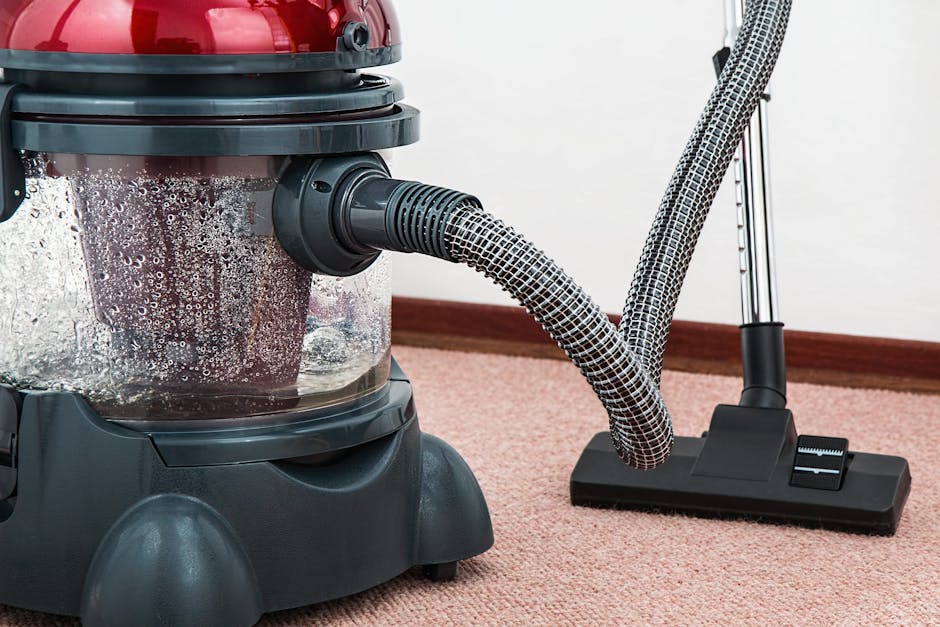
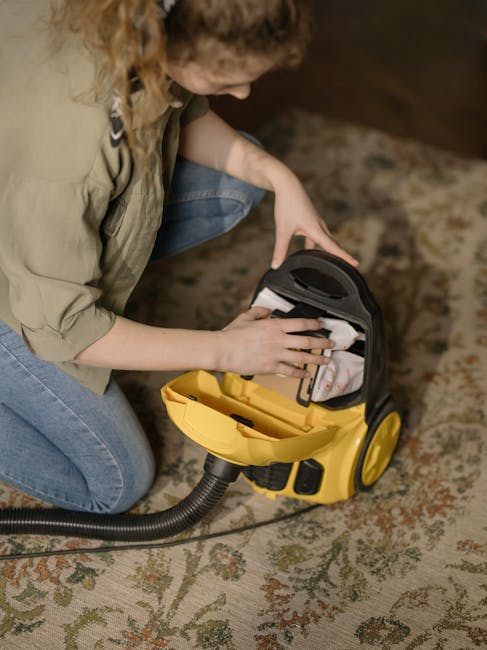
Common problems with carpet cleaning in Hounslow flats
If you live in a flat, carpet cleaning can be a bit more awkward than people expect. Space is tighter, access is slower, drying is trickier, and one small mistake can leave a bigger mess than before. That is why common problems with carpet cleaning in Hounslow flats matter so much: the setting changes everything. In a maisonette, a purpose-built block, or a converted building off a busy road, you are often dealing with shared hallways, limited ventilation, and carpets that have seen a lot of everyday wear. This guide breaks down the real issues, how they happen, and what you can do to avoid the usual headaches.
Whether you are planning a one-off refresh, getting ready for end of tenancy cleaning, or just trying to stop a stubborn stain from becoming a permanent feature, the aim here is simple: help you get a cleaner carpet without causing avoidable problems. To be fair, most carpet cleaning issues in flats are preventable once you know where the weak spots are.
Table of Contents
- Why Common problems with carpet cleaning in Hounslow flats Matters
- How Common problems with carpet cleaning in Hounslow flats Works
- Key Benefits and Practical Advantages
- Who This Is For and When It Makes Sense
- Step-by-Step Guidance
- Expert Tips for Better Results
- Common Mistakes to Avoid
- Tools, Resources and Recommendations
- Law, Compliance, Standards, or Best Practice
- Options, Methods, or Comparison Table
- Case Study or Real-World Example
- Practical Checklist
- Conclusion
- Frequently Asked Questions
Why Common problems with carpet cleaning in Hounslow flats Matters
Flat living changes the carpet cleaning equation. A ground-floor flat on a quieter street may dry faster and be easier to ventilate. A top-floor flat in a modern block might have decent airflow but a long walk from the entrance, which makes moving equipment awkward. In older conversions, you may find uneven floors, delicate edges, or carpets fitted years ago and now a little temperamental. That is where small cleaning issues can quickly become expensive annoyances.
The main reason this matters is that the wrong approach can make carpets look worse, not better. Over-wetting, poor stain treatment, and rushed drying can leave rings, smells, browning, or that unpleasant damp feel underfoot. And if you are a tenant, landlord, or property manager, the stakes are even higher because the carpet's condition can affect check-out standards, complaints, or re-clean requests. Nobody wants that awkward conversation, honestly.
There is also the everyday side of it. A damp carpet in a flat can affect the whole room quicker than in a larger house because rooms are smaller and ventilation is often limited. That faint wet-wool smell? It lingers. Carpets in flats also tend to pick up more tracked-in dirt from communal hallways and stairs, especially in busy buildings. If the common area cleaning regime is patchy, the carpet gets the fallout.
Practical takeaway: in flats, carpet cleaning is less about brute force and more about control: moisture, airflow, stain chemistry, access, and timing.
How Common problems with carpet cleaning in Hounslow flats Works
Most carpet cleaning in flats follows one of three broad methods: hot water extraction, low-moisture cleaning, or dry compound cleaning. Each has strengths, but each can also create issues if used badly or on the wrong carpet type. Hot water extraction, for example, is excellent for deep soil removal, but in a flat it can lead to long drying times if too much solution is used. Low-moisture methods reduce that risk, though they may need more careful pre-treatment for greasy marks or older stains.
The process usually starts with inspection. A sensible cleaner checks the fibre type, stain history, wear patterns, traffic lanes, and any problem areas such as pet accidents or drink spills. That inspection matters more in flats than many people realise. A carpet near the hallway may have different soil levels from one in a bedroom with little foot traffic. One size does not fit all, which is a phrase that gets thrown around a lot but, here, it's true.
Then comes pre-treatment. This is where many problems are avoided or created. A suitable product should loosen dirt without saturating the backing or bleaching the pile. After that, the carpet is cleaned and extracted or brushed, depending on the method. Finally, drying and post-cleaning checks catch the issues that often get missed: sticky residue, flattened pile, lingering spots, or moisture trapped along skirting boards.
In flats, the trouble often begins after the cleaning step. Doors are shut, windows are limited, radiators are on, and the carpet stays damp for too long. That can lead to re-soiling, because dirt sticks more easily to fibres that still have cleaning residue or moisture in them. So the method is only half the story. The drying plan is the other half.
Key Benefits and Practical Advantages
When carpet cleaning is done well in a flat, the benefits are immediate and very visible. The room feels fresher, the carpet looks brighter, and the whole place can seem cleaner without any major decorating work. If you have ever walked into a room at 8 a.m. after a proper clean, you will know that quiet, fresh smell. Hard to describe, but you notice it straight away.
- Better appearance: traffic lanes, dull patches, and old marks are reduced.
- Improved hygiene: dust, crumbs, and everyday soil are lifted from the pile.
- Odour control: stale smells from spills, pets, or trapped moisture are reduced.
- Longer carpet life: less embedded grit means less fibre wear over time.
- Better tenancy outcomes: a cleaner carpet can support move-out inspections.
- More comfortable living: soft, clean carpet makes small spaces feel less tired.
There is also a practical money angle. When carpets are cleaned regularly and correctly, you are less likely to need premature replacement. That is especially useful in rental flats or shared households where footfall is constant and budgets are, let's say, not limitless.
Another advantage is consistency. If you keep on top of carpet care with occasional vacuuming, prompt stain treatment, and professional help when needed, you reduce the risk of the big problems: matting, odour buildup, and permanent discolouration. Small wins, but they add up.
Who This Is For and When It Makes Sense
This topic matters to a few different people, and the problems are not quite the same for each one.
Tenants often need clean carpets before moving out or after a spill that is starting to look permanent. The biggest concern is usually getting the place back to a presentable standard without causing damage that could be challenged later.
Landlords and letting agents want carpets cleaned without excessive moisture, because delays and complaints can snowball quickly. In a flat, especially one above another property, dampness and odour spread are not ideal at all.
Homeowners usually want comfort and appearance. Maybe the flat feels a bit tired, maybe the hallway carpet has darkened over the years, or maybe a pet has made the fibres a little less pleasant than they used to be.
Property managers and building managers may also need to think about access, noise, and shared areas. If cleaners must carry hoses, machines, or water through communal corridors, planning becomes part of the job, not an afterthought.
It makes sense to book carpet cleaning when you notice:
- visible traffic marks near sofas, beds, or hallway edges
- odours that keep returning after vacuuming
- stains that have become darker or spread wider
- dull, flattened fibres that do not lift back after hoovering
- pre-move or post-build dust in the pile
If your flat has other cleaning jobs piling up, a broader deep cleaning visit may make more sense than treating carpet care as a standalone task. And if the issue extends beyond the carpet, services like sofa cleaning or upholstery cleaning can help the whole room feel balanced rather than half-done.
Step-by-Step Guidance
Here is a straightforward way to handle carpet cleaning in a flat without creating avoidable problems.
- Inspect the carpet properly. Check for stains, wear, fibre type, previous cleaning marks, and areas that stay damp longest, such as corners or edges near built-in furniture.
- Vacuum slowly and thoroughly. Fast vacuuming leaves grit behind. Spend more time on hallways, doorways, and the route from the front door to the living area.
- Identify the stains before treating them. Food, mud, drink spills, pet marks, and cosmetic stains often need different treatment. Blasting everything with one product is how trouble starts.
- Test any product in a hidden area. A tiny test patch can save a lot of grief if the carpet is delicate or already slightly faded.
- Apply only the amount needed. Over-wetting is one of the biggest flat-cleaning problems. Less can be more, strange as that sounds.
- Extract or blot effectively. Don't leave residue sitting in the pile. Residue attracts fresh dirt.
- Improve airflow immediately. Open windows where possible, use fans if safe, and keep traffic across the carpet to a minimum until it is dry.
- Check the result after drying. Look for ring marks, raised fibres, missed spots, and any sour smell that suggests moisture is still trapped.
If you are dealing with a move or an empty property, pairing carpet care with move-out cleaning can save a lot of backtracking. If you are moving into a new place, move-in cleaning gives you a cleaner starting point and helps you spot any pre-existing issues before furniture goes down.
Expert Tips for Better Results
Over time, a few habits make a huge difference. The first is simple: vacuum more than you think you need to. In flats, dirt gets carried in from communal areas, deliveries, prams, shoes, and all the usual daily traffic. A quick once-over is fine for maintenance, but a slower pass every so often really helps.
Second, treat spots early. Fresh spills are much easier than dried ones. If something lands on the carpet, blot first and clean second. Rubbing usually makes the patch wider and more ugly. That sounds obvious, but people still do it, usually in a bit of a panic.
Third, keep an eye on drying. Flats often feel warm enough, but warmth alone does not dry deep fibres. Air movement matters. Cracking a window for a short while, where safe and practical, often helps more than turning the heating up and hoping for the best.
Fourth, be wary of too much product. Foam, powder, or liquid left behind in the pile can cause stickiness and rapid resoiling. This is one of those hidden problems that makes people think the carpet is "dirty again" when the real issue is residue.
Fifth, think about the whole flat. A dirty hallway mat, dusty skirting, or sofa crumbs can make a clean carpet look less effective. If you are aiming for a proper refresh, it can be worth combining carpet care with house cleaning or domestic cleaning so the room feels genuinely reset.
Expert summary: in flats, the best carpet cleaning is controlled, not aggressive. Small, careful steps usually beat big, soaking ones.
Common Mistakes to Avoid
Most of the repeated problems with carpet cleaning in Hounslow flats come from a handful of avoidable mistakes.
- Using too much water: this can lead to long drying times, damp smells, and even browning along the edges.
- Ignoring the carpet fibre: wool, synthetic, and blended carpets do not all react the same way.
- Scrubbing stained areas aggressively: this can distort the pile and spread the stain.
- Skipping ventilation: a closed flat traps moisture and slows everything down.
- Forgetting communal access: lifting equipment through narrow stairs or shared corridors without planning can be messy and disruptive.
- Cleaning only the visible patch: this can create a bright spot in the middle of a darker surrounding area.
- Not checking under furniture: hidden soil lines often become obvious after cleaning.
There is also the classic mistake of expecting every stain to disappear completely. Truth be told, some marks are permanent or partly permanent, especially if they have been set by heat, bleach, or age. A good cleaner should say that clearly rather than promising miracles. That kind of honesty matters.
And one more thing: if the carpet has a history of repeated spills, cleaning alone may not solve the smell. Sometimes the underlay, not the visible pile, is the issue. Bit annoying, but important to know.
Tools, Resources and Recommendations
You do not need a warehouse full of equipment to manage carpet cleaning well in a flat, but you do need the right basic tools and a sensible process.
- A quality vacuum cleaner: especially one with decent edge cleaning and adjustable height settings.
- Microfibre cloths: useful for blotting spills without pushing them deeper into the fibres.
- Appropriate spot cleaner: choose one that matches the carpet type and the stain you are treating.
- Airflow helpers: portable fans can speed drying where it is safe to use them.
- Protective pads or runners: useful after cleaning if a room needs to stay usable.
For broader property care, it can help to think of carpet cleaning as part of a cycle rather than a one-off rescue job. A sensible routine may include regular cleaning between deeper cleans, plus occasional attention to problem areas like rugs, curtains, or mattresses. If the carpets are expensive or especially delicate, pairing the work with rug cleaning can also help you maintain the same standard across the room.
If you are booking professionally, ask practical questions: how will they dry the carpet, what happens to problem stains, and what should you do before they arrive? Clear answers usually tell you more than a glossy sales pitch. Also ask about pricing and quotes so you can compare like with like rather than guessing from vague descriptions.
Law, Compliance, Standards, or Best Practice
Carpet cleaning itself is not a heavily regulated niche in the same way as some trades, but in flats there are still important standards of care. Health and safety, access, insurance, and property damage risk all matter. If a cleaner brings equipment into a shared building, they should work in a way that avoids unnecessary disturbance, slip hazards, and water damage. That is basic professional practice, not a fancy extra.
In rented homes, tenancy agreements and inventory reports can shape what is expected at check-out. The practical standard is usually "returned in a reasonably clean condition," though details vary by agreement and property condition. It is wise to keep photos before and after, especially if you are trying to avoid disputes. Not glamorous, but very useful.
From a best-practice point of view, cleaners should:
- identify risks before starting
- use suitable products for the carpet type
- protect walls, skirting, and nearby furnishings where needed
- avoid over-wetting and allow proper drying time
- communicate limitations honestly
If you want to understand how a professional service approaches safety and responsibility, it is worth reviewing a company's health and safety policy and insurance and safety information. Those pages are not just formalities; they tell you how seriously the provider treats your home and belongings. The same goes for terms and conditions, because they should explain what is included and what is not.
Options, Methods, or Comparison Table
Different flats need different approaches. Here is a simple comparison of common carpet cleaning methods and where they can go wrong.
| Method | Best for | Main advantage | Common problem in flats |
|---|---|---|---|
| Hot water extraction | Deep soil, general refresh, end-of-tenancy cleans | Strong deep-cleaning ability | Over-wetting and longer drying time |
| Low-moisture cleaning | Routine maintenance, busy flats, quicker turnaround | Faster drying | May need more pre-treatment for stubborn stains |
| Dry compound cleaning | Light soil, delicate timing, reduced moisture risk | Very little water used | Can be less effective on older, embedded dirt |
| Spot cleaning only | Small fresh spills | Fast and targeted | Can leave a visible patch if not blended properly |
For some flats, the better choice is not just carpet cleaning alone, but a wider reset. If the carpet is fine but the rest of the place feels tired, one-off cleaning may be the smarter move. If the property is shared or managed with other spaces, communal area cleaning can reduce the dirt that keeps getting tracked back in. And if the issue is part of a bigger refresh before a let or arrival, move-in cleaning can make the whole flat feel more settled from day one.
Case Study or Real-World Example
Here is a realistic example. A tenant in a two-bedroom Hounslow flat notices that the hallway carpet looks darker near the front door and one bedroom has a pale stain near the bed. Nothing dramatic, just the sort of thing you see every day until one day you really don't want to look at it anymore.
The first problem is access. The building has a narrow stairwell and a shared landing, so the cleaner needs to carry equipment carefully and keep noise down. The second problem is drying. The hallway gets less airflow than the living room, so if too much water is used, the carpet stays damp and the place smells slightly closed-in by evening. The third problem is the stain itself. It turns out to be an old drink spill that has already partly set into the pile.
The sensible approach in this case is to test the stain, use limited moisture, extract thoroughly, and keep windows open where possible. The cleaner also checks the carpet edge near the skirting, because a darker ring there might mean moisture has pooled. After drying, the hallway looks brighter, the bedroom spot is reduced, and the room no longer has that faint stale note. Not perfect, but far better, and more importantly, no new problems were created.
That is the real point. In flats, the aim is often to improve the carpet safely and visibly without creating the kind of issue that leads to a second visit. Sometimes "good enough, done properly" is the best outcome. Frankly, it usually is.
Practical Checklist
Use this before any carpet clean in a flat:
- Identify the carpet fibre and any existing damage.
- Vacuum the area thoroughly, including corners and edges.
- Test cleaning products in a hidden spot first.
- Match the method to the stain and the carpet type.
- Avoid soaking the carpet or underlay.
- Open windows or improve airflow if it is safe to do so.
- Keep people, pets, and furniture off the carpet until dry.
- Check for residue, odour, or ring marks once dry.
- Document the result if it is for tenancy or property records.
- Decide whether the rest of the flat needs support too, such as mattress cleaning or window cleaning.
If you want a broader, cleaner result across the property, it can be worth looking at after builders cleaning when dust and fine debris are part of the issue, or Airbnb cleaning if the flat turns over regularly and needs to stay guest-ready. Different use cases, same principle: reduce the causes, not just the visible marks.
Get a free quote today and see how much you can save.
Conclusion
Common problems with carpet cleaning in Hounslow flats usually come down to access, moisture control, stain handling, and drying time. That sounds simple, but in a flat the details matter more than people think. The same carpet method that works fine in a house can be a headache in a smaller, more enclosed space. Shared hallways, limited ventilation, and tenancy pressure all add a layer of complexity.
The good news is that most issues can be avoided with the right preparation and a calmer, more careful approach. Inspect properly, use the right amount of product, dry the carpet thoroughly, and do not assume one method fits every situation. If the carpet is part of a bigger cleaning task, plan it that way. That little bit of foresight can save you from rings, odours, and a lot of last-minute stress.
And if you ever stand in your flat wondering whether to tackle a stain yourself or bring in help, that's a very normal question. No drama. Just make the choice that protects the carpet and keeps the room feeling like home.
Frequently Asked Questions
What are the most common carpet cleaning problems in Hounslow flats?
The most common issues are over-wetting, slow drying, lingering odours, visible cleaning rings, and dirt coming back quickly because residue was left behind. Narrow access and limited ventilation make these problems more likely in flats than in larger homes.
Why do carpets in flats take longer to dry?
Flats often have smaller rooms, less airflow, and fewer openable windows. That means moisture gets trapped more easily. If too much solution is used, drying can take much longer than expected.
Can carpet cleaning damage a flat's carpet?
Yes, if the wrong method or product is used. Too much water, harsh chemicals, or aggressive scrubbing can distort the pile, leave browning, or weaken the carpet backing. A careful test patch helps reduce that risk.
Is hot water extraction a bad idea for flats?
Not at all. It can work very well, but it needs proper moisture control and drying time. In a flat, the method must be used more carefully because long drying times can cause fresh problems.
How do I stop stains from coming back after cleaning?
Make sure the stain has been fully extracted, not just surface-cleaned. Residue, underlay moisture, or incomplete treatment can cause marks to reappear. Drying properly and avoiding heavy foot traffic helps too.
Should I clean carpets before or after moving furniture?
Ideally, move as much furniture as is safely possible before cleaning so the entire carpet can be treated evenly. If heavy furniture must stay in place, the cleaner should work around it and avoid leaving obvious colour differences.
How often should carpets in flats be cleaned?
That depends on foot traffic, pets, children, and whether the flat has shared access areas nearby. In many flats, regular vacuuming and periodic deeper cleaning are enough to keep the carpet in good shape.
What should I do if my carpet smells damp after cleaning?
That usually means the carpet is not fully dry, or moisture has reached the underlay. Improve airflow, avoid walking on it too much, and check whether the problem is easing. If the smell continues, the carpet may need professional attention.
Are end-of-tenancy carpet problems different from normal cleaning issues?
Yes. At the end of a tenancy, the focus is often on appearance, stain removal, and documented condition. Timing matters more too, because the flat may need to be ready quickly for inspection or handover.
Can I use the same cleaning method for carpet, rug, and upholstery?
Usually not. Carpets, rugs, and upholstery can be made from different fibres and backings, so they need different treatment. It is better to match the method to the item than to use one approach everywhere.
What if a carpet stain is older and set in?
Older stains are harder to remove completely. A cleaner may improve them significantly, but not every mark can be erased. The best result often comes from realistic expectations and the right pre-treatment rather than brute force.
How do I know whether to book a one-off clean or a full flat clean?
If the problem is mainly the carpet, a targeted clean may be enough. If the flat feels generally tired, dusty, or neglected, a wider service such as one-off cleaning or deep cleaning is usually more efficient and gives a better overall result.
For a lot of people, the main thing is peace of mind. A clean carpet should feel like progress, not another job to worry about. And when it is done properly, that is exactly what it gives you.